The permanent collection — plus this season's live anomalies at the end.
5 records found
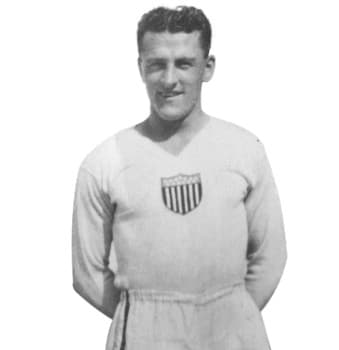
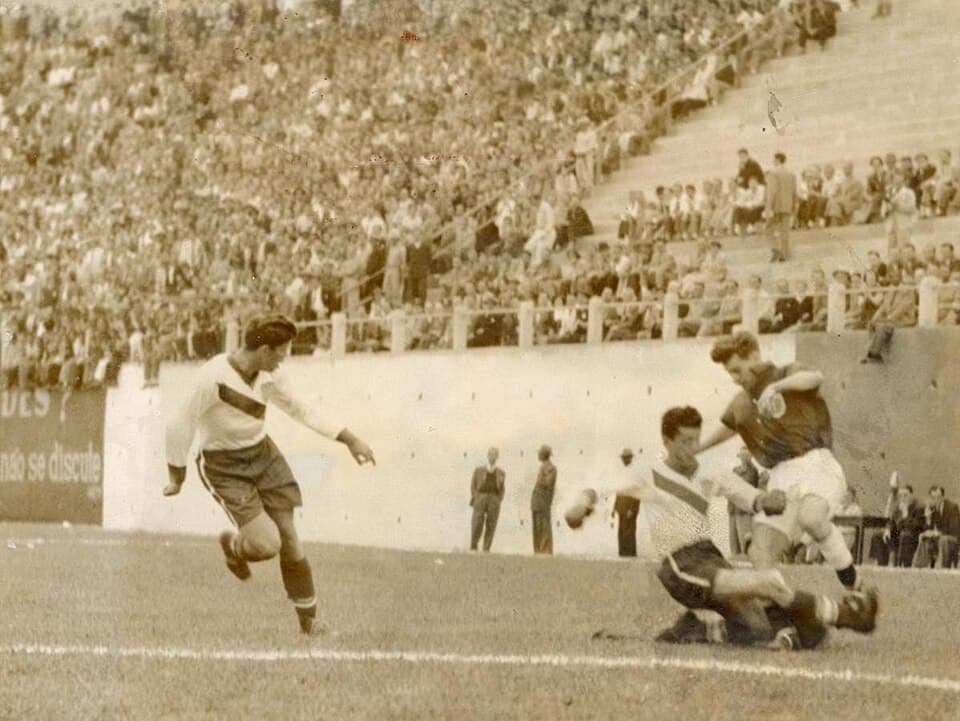
On July 17, 1930, 20-year-old American forward Bert Patenaude scored all three goals in the United States' 3-0 victory over Paraguay at the Estadio Gran Parque Central in Montevideo. It took FIFA 76 years to officially recognise him as scorer of the first hat-trick in World Cup history. The dispute centred on the second goal in the 15th minute — FIFA originally credited it to U.S. captain Tom Florie, while other databases listed it as an own goal. The correction was driven by Canadian soccer historian Colin Jose, who gathered the Cummings Ledger (official post-tournament report explicitly crediting Patenaude), South American press records from O Estado de São Paulo, tactical diagrams from Argentine daily La Prensa, and teammate testimonies. On November 10, 2006, FIFA officially amended its records, permanently recognising Patenaude.
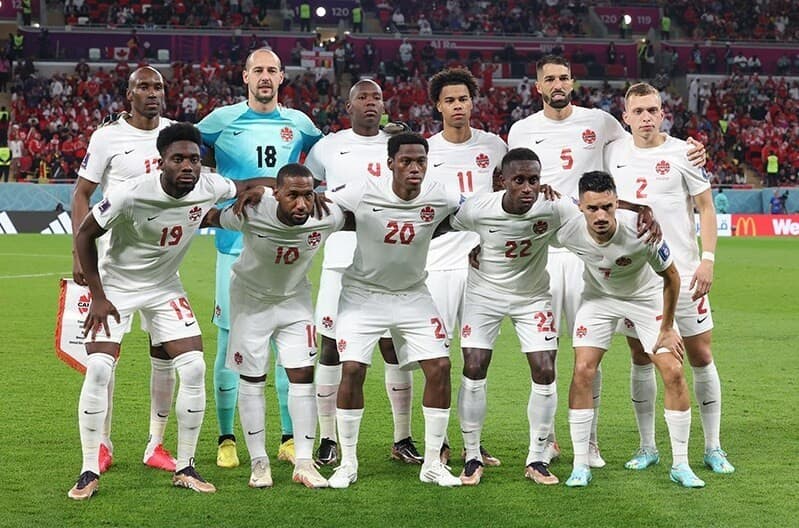
Canada's World Cup history is a story of long waits and frozen triumphs. In 1986 — their first qualification, under English coach Tony Waiters — the squad consisted of semi-professional journeymen. They held France scoreless for 79 minutes before Jean-Pierre Papin scored, then lost 2-0 to both Hungary and the Soviet Union. Zero points, zero goals. It would be 36 years until Canada returned. In 2022, they qualified first in CONCACAF under coach John Herdman. The Iceteca match: November 16, 2021, Edmonton, -9°C, Canada beat Mexico 2-1 with Sam Adekugbe leaping into a snowbank to celebrate. In Qatar, Canada lost to Belgium 1-0, Croatia 4-1, and Morocco 2-1. But the milestone moment came against Croatia: Alphonso Davies scored Canada's first ever World Cup goal with a flying header in the second minute.
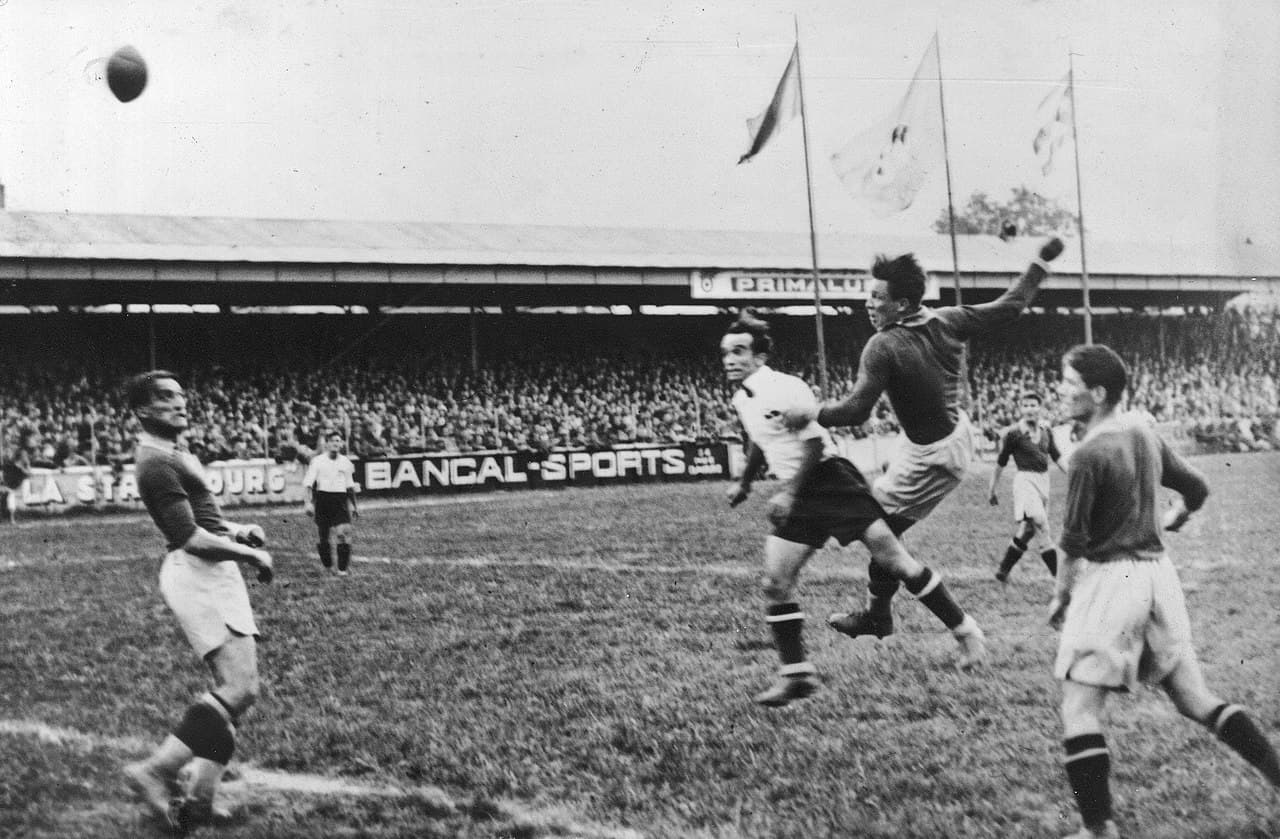
Cuba's appearance at the 1938 World Cup in France remains the high-water mark for Caribbean football. The team qualified automatically without playing a single match after all other American nations withdrew in protest over FIFA's decision to award the 1938 tournament to France, violating an informal hosting rotation agreement. Coached by José Tapia, the Cuban delegation consisted of 15 players — young, amateur descendants of Spanish immigrants who played in local Havana leagues. The 15-day sea voyage was marked by mishaps: striker Juan Tuñas, suffering seasickness, opened his cabin porthole unaware his room was below the waterline, immediately flooding his cabin. Cuba faced Romania in the opening round at the Stade Chapou in Toulouse, drawing 3-3 after extra time on June 5, 1938, with goals from Héctor Socorro, José Antonio Magriñá, and Tomás Fernández. For the replay, starting goalkeeper Benito Carvajales voluntarily surrendered his spot to backup Juan Ayra — Carvajales had received a lucrative offer from a Cuban radio station to commentate on the replay for listeners back home. Ayra performed brilliantly and Cuba won 2-1, becoming the first Caribbean nation to win a World Cup match. Exhausted from 210 minutes of football with only 15 players, Cuba faced a rested Sweden in the quarter-finals and lost 8-0 in a torrential downpour in Antibes. Cuba has never qualified for another World Cup. Juan Tuñas, the last surviving squad member, passed away in 2011.
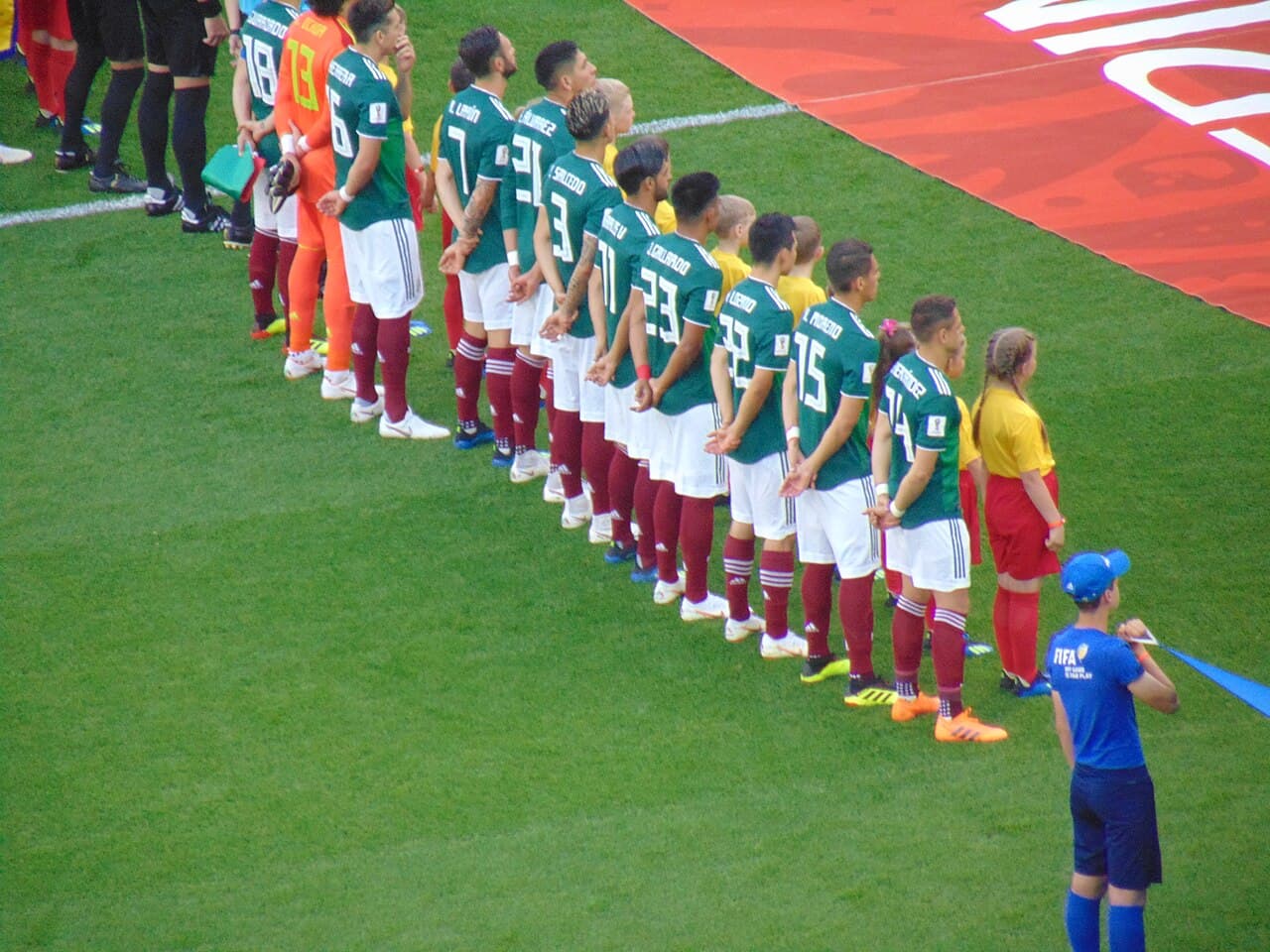
Mexico has appeared in 16 World Cup tournaments but has only reached the quarter-finals twice — in 1970 and 1986 — both times as host. Between 1994 and 2018, Mexico advanced from the group stage in seven consecutive tournaments, only to be eliminated in the Round of 16 every single time. Results: 1994 vs Bulgaria 1-1 (lost 1-3 pens), 1998 vs Germany 1-2, 2002 vs United States 0-2, 2006 vs Argentina 1-2 AET, 2010 vs Argentina 1-3, 2014 vs Netherlands 1-2, 2018 vs Brazil 0-2. Root causes: the Liga MX financial bubble discourages domestic talent from moving to elite European leagues; tactical naivety against structured defensive systems. Mexico was also banned from the 1990 World Cup due to the Cachirules scandal — fielding overage players in the 1988 CONCACAF U-20 Championship.
The 1950 World Cup in Brazil produced one of the greatest upsets in football history. A team of part-time American amateurs including a dishwasher, a mailman, and a schoolteacher defeated England 1-0 at the Estádio Independência in Belo Horizonte. Haitian-born student Joe Gaetjens scored the winner with a diving header. British editors assumed the result was a typographical error, correcting early print editions to read England 10, USA 1. This remains the most famous result in USMNT history and symbolises the potential for underdog triumph on football's biggest stage.