The permanent collection — plus this season's live anomalies at the end.
6 records found
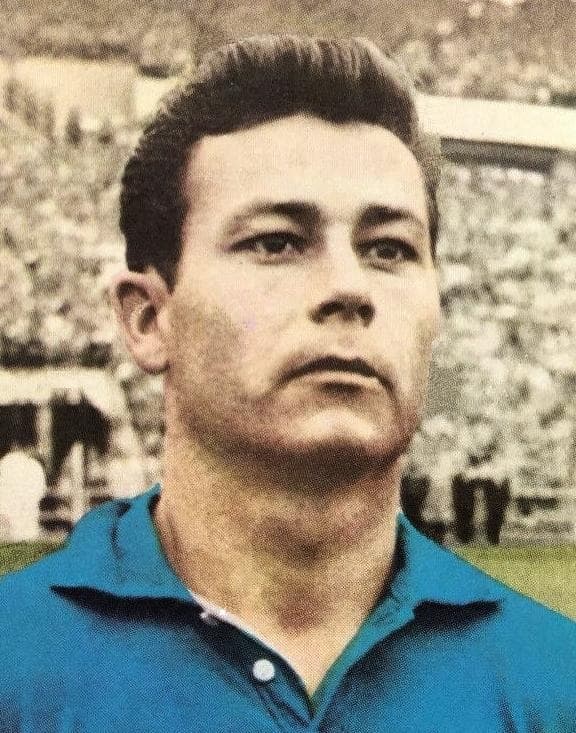
Just Fontaine's 13 goals at the 1958 World Cup in Sweden stands as one of football's most unbreakable records. The French striker achieved this in just 6 matches, averaging over 2 goals per game — a feat virtually impossible today due to modern defensive organisation, sports science, and tactical sophistication. No player has come close since. For context, Miroslav Klose holds the all-time World Cup scoring record with 16 goals, but spread across 24 matches across four tournaments (2002-2014). Fontaine's density of scoring in a single tournament remains unparalleled and is widely considered impossible to replicate in contemporary football.
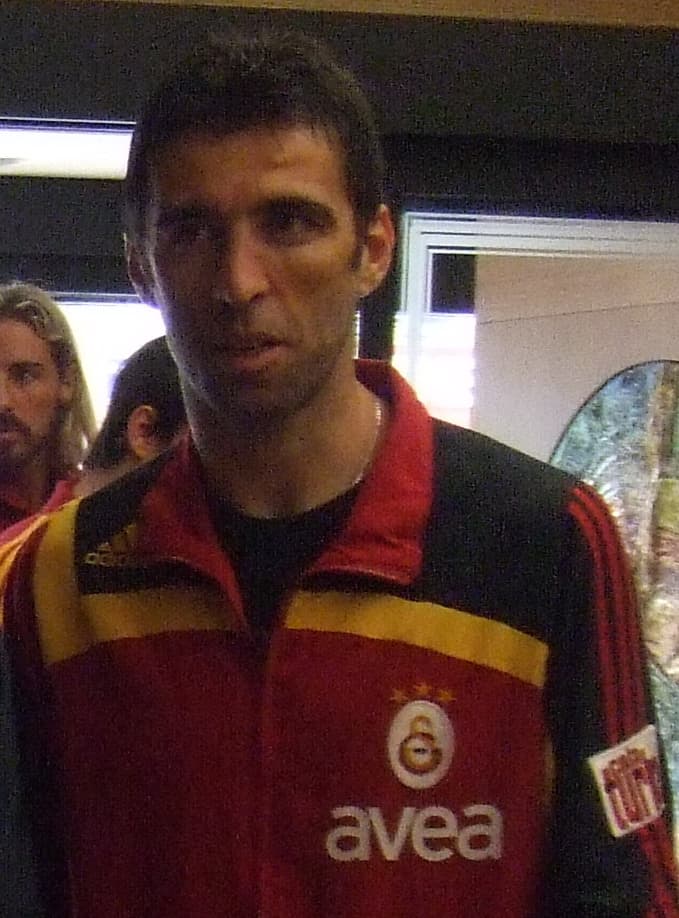
Hakan Şükür scored the fastest goal in World Cup history just 10.8 seconds after kickoff in Turkey's 3-2 victory over South Korea in the 2002 third-place playoff. The record is considered virtually unbreakable because modern teams use highly rehearsed conservative kickoff routines specifically designed to prevent early goals. Managers spend hours drilling defensive organisation from the very first second of play, making an instant breakaway extremely unlikely at the elite international level.
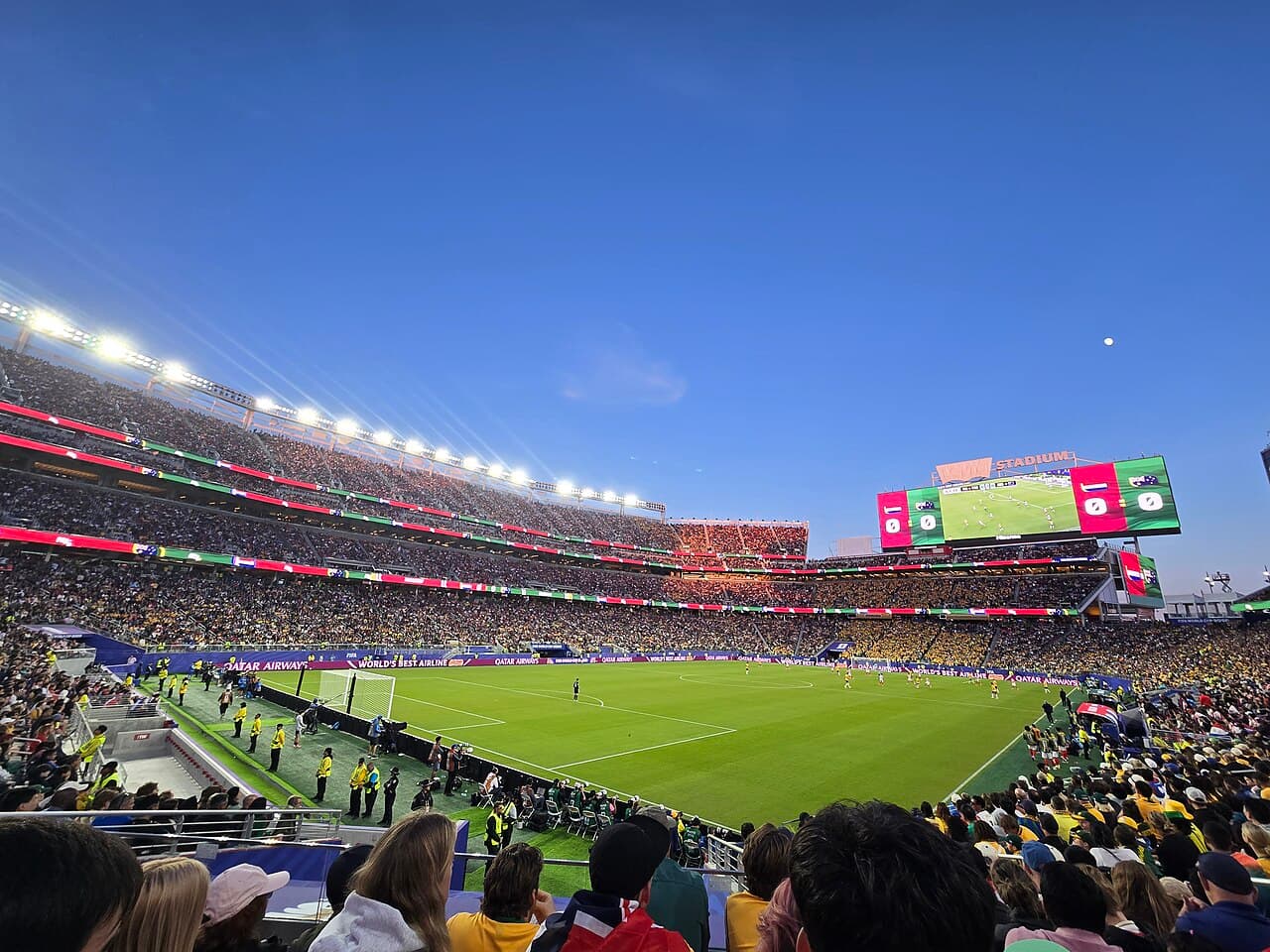
The 2026 FIFA World Cup will be co-hosted by the United States, Mexico, and Canada. Historical data reveals a powerful host nation advantage that varies by the host's competitive tier. Tier 1 hosts (top 3 ranked) win 80% of the time. Tier 2 hosts (ranked 4-10) reach semis 100% of the time. Tier 3 hosts (ranked 11-20) — USA ranked 15, Mexico ranked 16 — have a 100% quarter-final rate historically. Tier 4 hosts (ranked over 20) — Canada ranked 29 — have a modal outcome of Round of 16. Co-hosting does not dilute advantage: 2002 saw both South Korea and Japan massively overperform their strength tiers. Records under threat in 2026: Miroslav Klose's all-time scoring record of 16 goals — Lionel Messi has 13 in 26 matches (needs 4), Kylian Mbappé has 12 in 14 at 0.86 goals per match (needs 5). Most wins — Klose holds 17 wins in 24 appearances; Messi is tied with Cafu at 16 wins in 26. The attendance record of 3,587,538 from 1994 USA will be shattered with 104 matches in NFL stadiums, with projections exceeding 6.5 million.
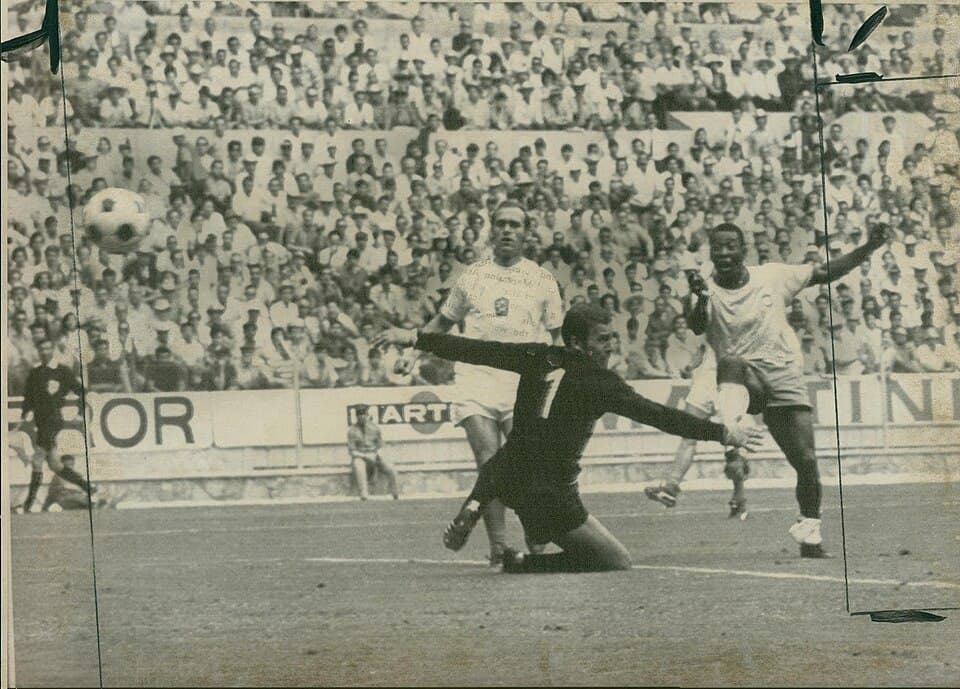
Edson Arantes do Nascimento, known worldwide as Pelé, is the only footballer to win three FIFA World Cups. He burst onto the scene as a 17-year-old at Sweden 1958, scoring a brace in the final. He added a second medal in 1962 and captained Brazil to their third triumph in Mexico 1970, cementing his status as the most decorated player in World Cup history.
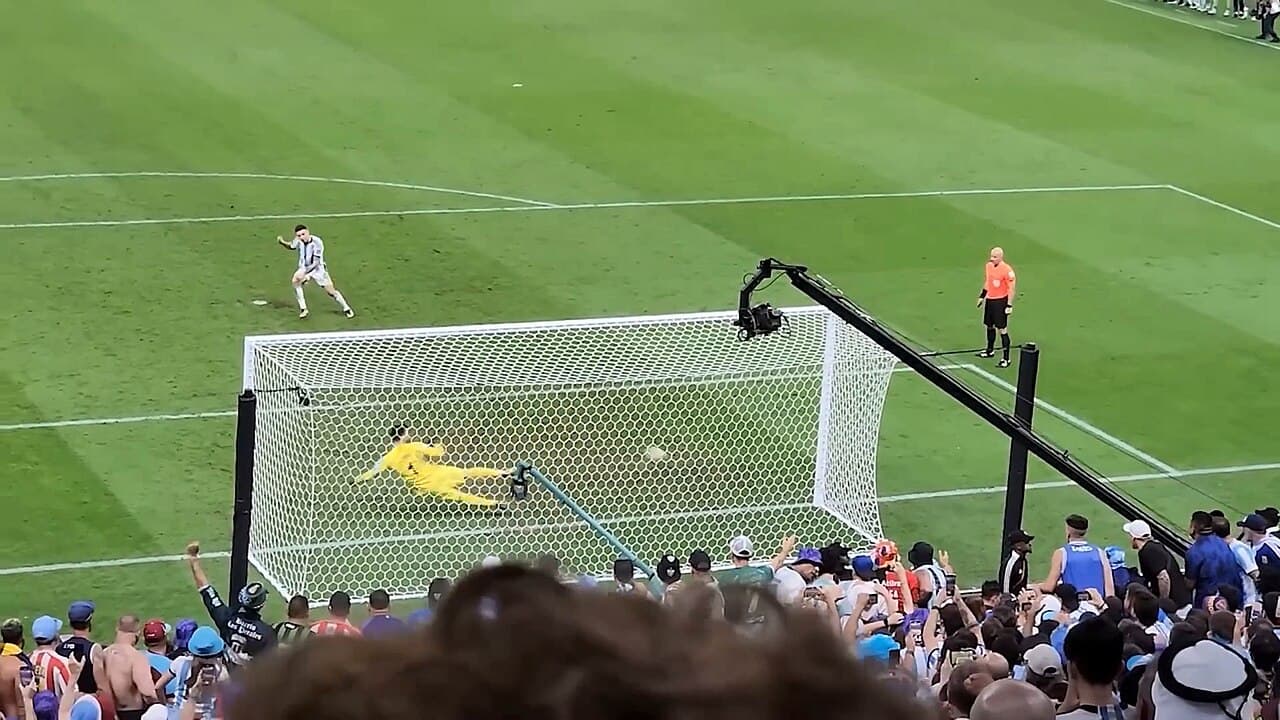
The penalty shootout has decided 34 World Cup matches since its introduction in 1982. Notable shootouts include: 1982 Semi-final West Germany 5-4 France (3-3 AET) — the first ever World Cup shootout; 1994 Final Brazil 3-2 Italy (0-0 AET) — Roberto Baggio's famous miss; 2006 Final Italy 5-3 France (1-1 AET) — David Trezeguet hit the crossbar; 2022 Final Argentina 4-2 France (3-3 AET) — the greatest final in history decided from the spot. Geir Jordet's research reveals dramatic psychological patterns: players convert 92% of penalties when scoring wins the match but only 60% when missing means elimination. Players who rush their shot under 200 milliseconds after the whistle convert only 57%. Players who pause at least one second convert over 80%. Goalkeeper distraction manoeuvres reduce taker success by 10-15%. If a goalkeeper forces a delay of over 8 seconds the success rate falls to 44%. The complete list: 1982 SF West Germany 5-4 France; 1986 QF France 4-3 Brazil, West Germany 4-1 Mexico, Belgium 5-4 Spain; 1990 R16 Rep of Ireland 5-4 Romania, QF Argentina 3-2 Yugoslavia, SF Argentina 4-3 Italy, SF West Germany 4-3 England; 1994 R16 Bulgaria 3-1 Mexico, QF Sweden 5-4 Romania, Final Brazil 3-2 Italy; 1998 R16 Argentina 4-3 England, QF France 4-3 Italy, SF Brazil 4-2 Netherlands; 2002 R16 Spain 3-2 Ireland, QF South Korea 5-3 Spain; 2006 R16 Ukraine 3-0 Switzerland, QF Germany 4-2 Argentina, QF Portugal 3-1 England, Final Italy 5-3 France; 2010 R16 Paraguay 5-3 Japan, QF Uruguay 4-2 Ghana; 2014 R16 Brazil 3-2 Chile, Costa Rica 5-3 Greece, QF Netherlands 4-3 Costa Rica, SF Argentina 4-2 Netherlands; 2018 R16 Croatia 3-2 Denmark, Russia 4-3 Spain, QF Croatia 4-3 Russia, England 4-3 Colombia; 2022 R16 Croatia 3-1 Japan, Morocco 3-0 Spain, QF Argentina 4-3 Netherlands, Croatia 4-2 Brazil, Final Argentina 4-2 France.
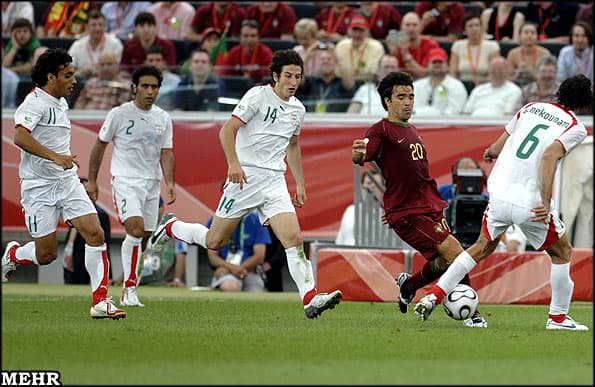
Portugal vs Netherlands, June 25, 2006, referee Valentin Ivanov. This match holds the World Cup record for disciplinary chaos: 16 yellow cards and 4 red cards. The match devolved in the fifth minute when Khalid Boulahrouz committed a high-boot tackle on Cristiano Ronaldo. Ivanov's failure to issue an immediate red card caused total breakdown of control — retaliatory headbutts including Luís Figo on Mark van Bommel, tactical handballs, sideline brawls. FIFA President Sepp Blatter said the referee should have given himself a yellow card. Ivanov was dropped for the remainder of the tournament. The record would stand until the 2022 Netherlands vs Argentina quarter-final, when Spanish referee Antonio Mateu Lahoz issued 18 yellow cards — 16 to players, 2 to coaching staff.