The permanent collection — plus this season's live anomalies at the end.
3 records found
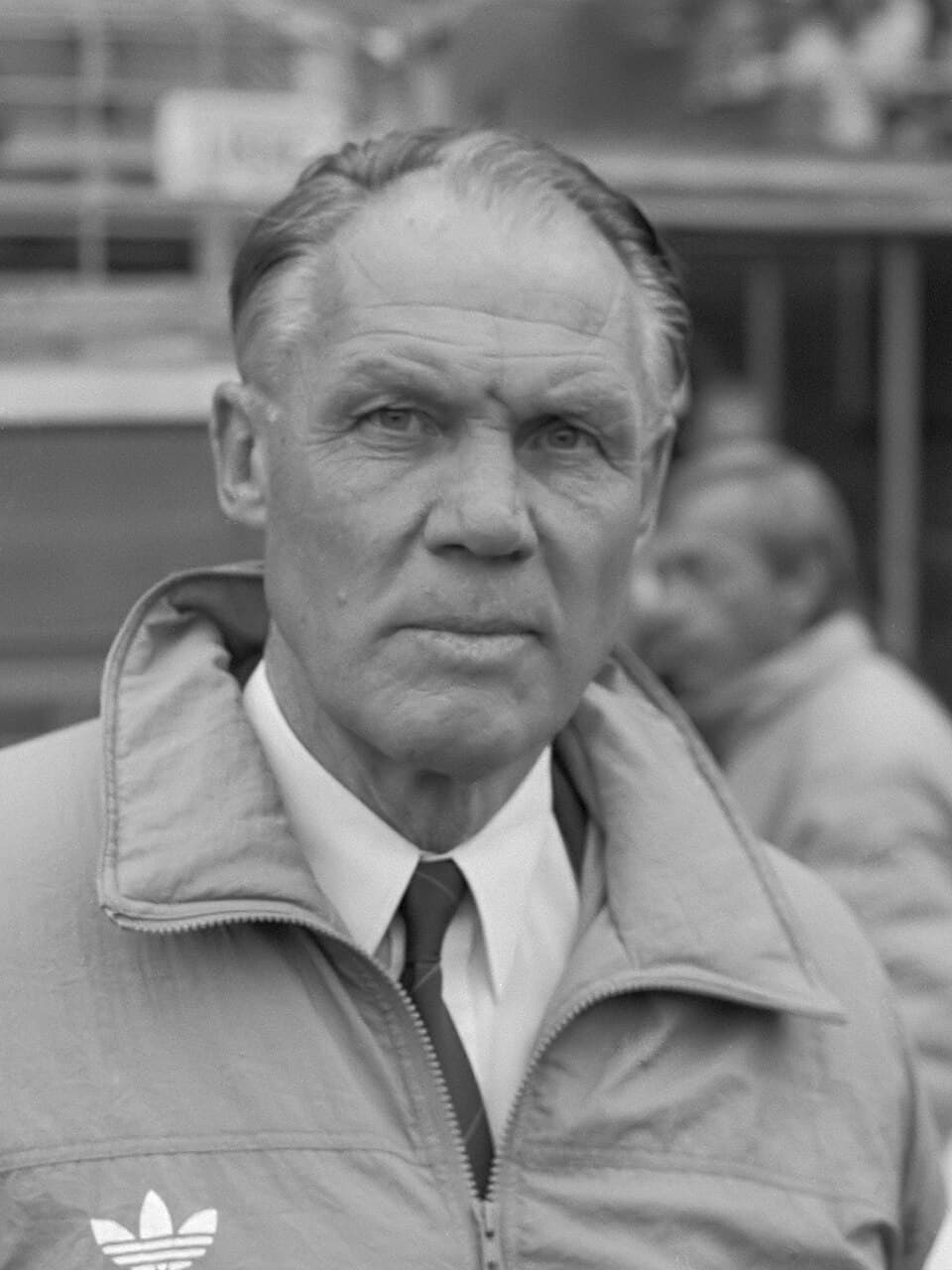
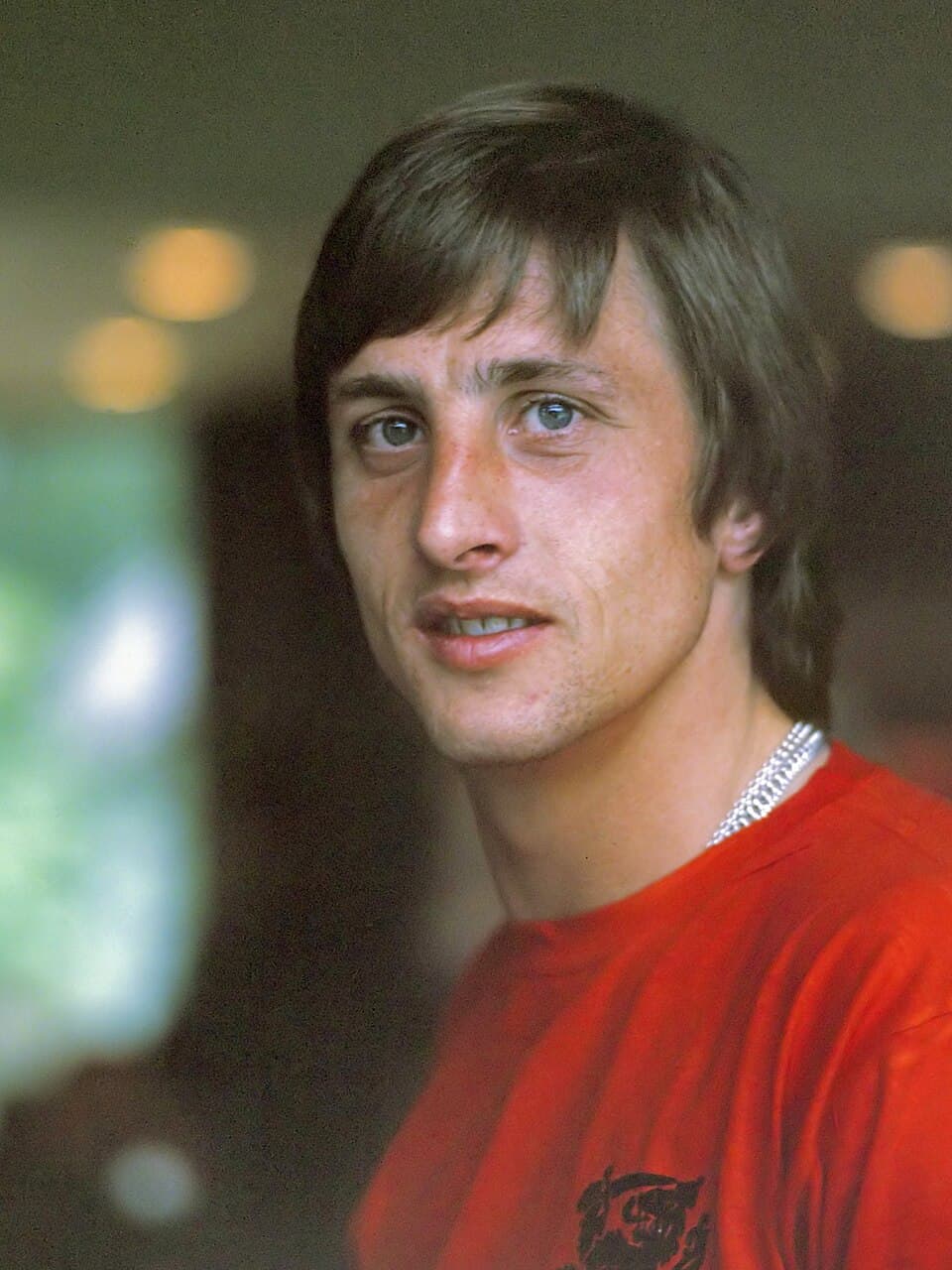
By the 1970s, the defensive rigidity of Catenaccio had met its match in Totaalvoetbal (Total Football), pioneered by coach Rinus Michels and epitomized by playmaker Johan Cruyff at Ajax and the Netherlands national team. Total Football bypassed rigid formational constraints through positional interchangeability: when a player moved out of position, a teammate instantly filled the space, maintaining the team's structural integrity. The system relied heavily on expanding and compressing the pitch, using an aggressive high defensive line and coordinated offside traps to restrict the opponent's thinking time. This system required elite physical conditioning and high spatial intelligence, systematically exposing the vulnerabilities of rigid, man-marking defensive systems. The greatest proving ground was the 1974 FIFA World Cup, where the Dutch reached the final before losing to West Germany.
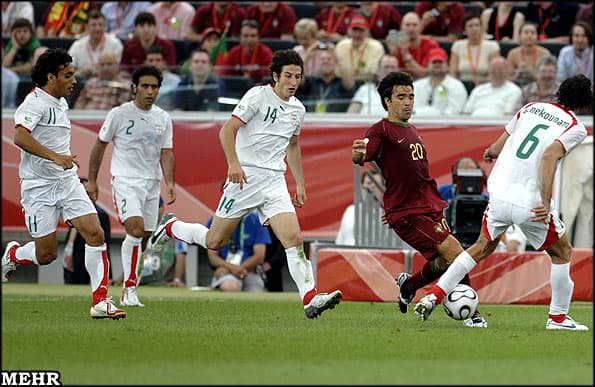
Portugal vs Netherlands, June 25, 2006, referee Valentin Ivanov. This match holds the World Cup record for disciplinary chaos: 16 yellow cards and 4 red cards. The match devolved in the fifth minute when Khalid Boulahrouz committed a high-boot tackle on Cristiano Ronaldo. Ivanov's failure to issue an immediate red card caused total breakdown of control — retaliatory headbutts including Luís Figo on Mark van Bommel, tactical handballs, sideline brawls. FIFA President Sepp Blatter said the referee should have given himself a yellow card. Ivanov was dropped for the remainder of the tournament. The record would stand until the 2022 Netherlands vs Argentina quarter-final, when Spanish referee Antonio Mateu Lahoz issued 18 yellow cards — 16 to players, 2 to coaching staff.
Johan Cruyff possessed a unique running style characterized by sudden changes of pace and physical elasticity. This was epitomized by the 'Cruyff Turn,' debuted at the 1974 World Cup. By pretending to cross the ball before dragging it back behind his standing leg and spinning 180 degrees, Cruyff rapidly shifted his weight, leaving defenders off-balance. This maneuver combined rapid deceleration with immediate acceleration, exploiting the defender's physical momentum and demonstrating how spatial awareness could overcome physical marking. The turn's brilliance lay not in complex technique but in its timing and deception — convincing the defender a cross was imminent, then instantly reversing direction and creating separation in a single fluid motion.