The permanent collection — plus this season's live anomalies at the end.
10 records found
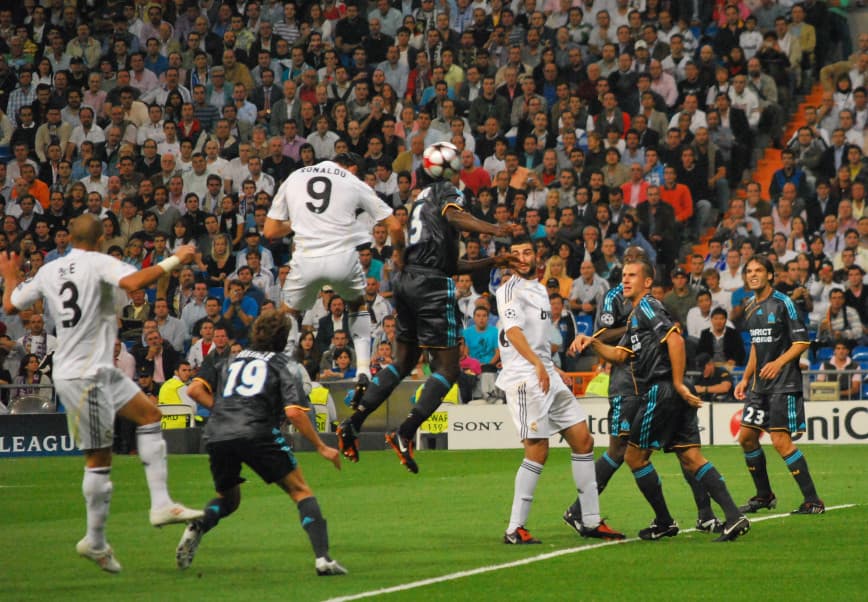
In February 2013, Real Madrid forward Cristiano Ronaldo scored a header against Manchester United in the Champions League, reaching a peak height of 2.93 meters. Ronaldo's jump was made possible through his explosive leg power and high vertical leap, which left defender Patrice Evra looking on helplessly. This jump remains the highest ever recorded in elite European club competition. For context, Moroccan striker Youssef En-Nesyri scored the winning goal against Portugal in the 2022 World Cup quarter-final with a header completed at 2.78 meters — outjumping goalkeeper Diogo Costa and securing Morocco's place as the first African nation to reach a World Cup semi-final. Ronaldo's leap, however, remains unmatched in club football, demonstrating how elite aerial athleticism — built through years of targeted strength and plyometric training — can produce a measurable jump of 2.93 metres, the highest recorded in elite European club competition.
In 2006, Brazilian defender Ronny Heberson scored a free kick for Sporting Lisbon against Naval that was measured at 210.9 km/h (211 km/h). This strike stands as the fastest recorded shot in football history, carrying approximately 1,400 joules of kinetic energy — equivalent to a 100-kilogram sprinter running directly into a wall. The ball travelled so fast that spectators and players described it as virtually disappearing from view before hitting the back of the net. For context, several other extraordinary strikes have approached this record: Arjen Robben hit a volley for Real Madrid against Borussia Dortmund at 190 km/h in 2009; Blackburn's Steven Reid scored against Wigan at 189 km/h in 2005; and Barcelona's Ronald Koeman struck a European Cup-winning free kick at 188 km/h in 1992. None have matched Heberson's velocity.
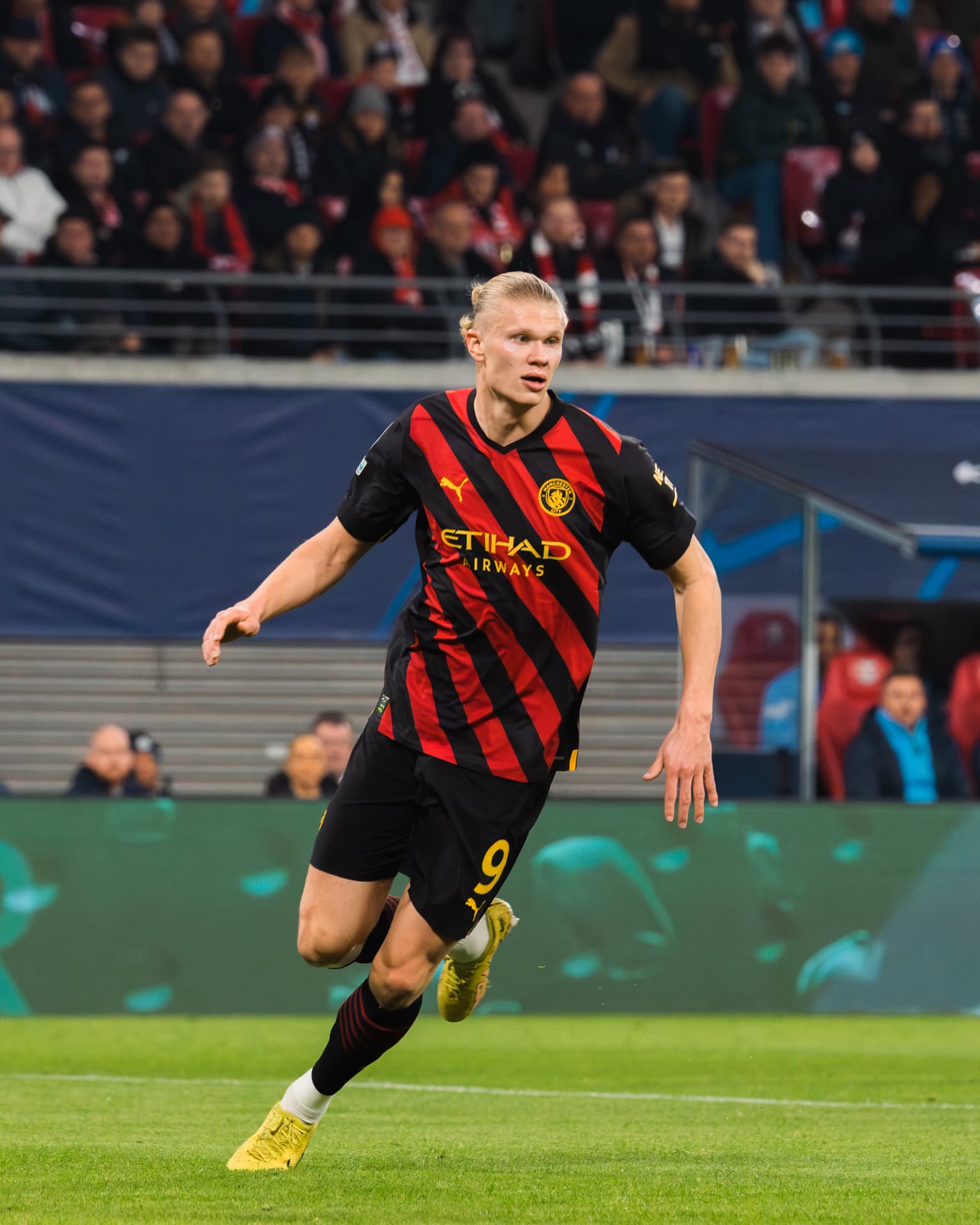
Erling Haaland's debut Premier League season was nothing short of extraordinary. The Norwegian striker reached 50 league goals faster than any player in history, shattering Andrew Cole's long-standing record. His goal-per-game ratio in English football's top flight remains unprecedented for a player in his first two seasons.
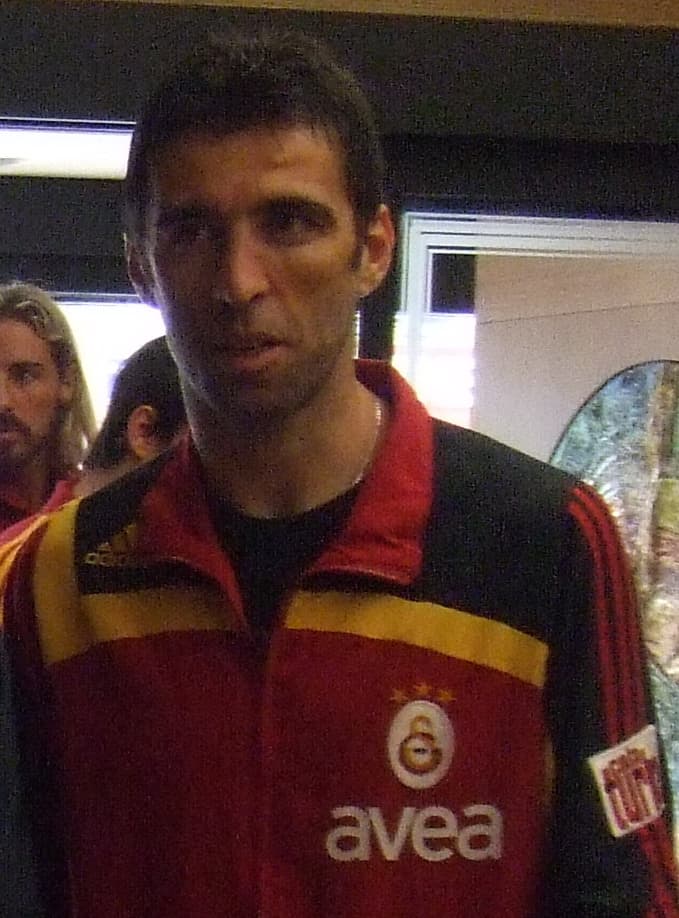
Hakan Şükür scored the fastest goal in World Cup history just 10.8 seconds after kickoff in Turkey's 3-2 victory over South Korea in the 2002 third-place playoff. The record is considered virtually unbreakable because modern teams use highly rehearsed conservative kickoff routines specifically designed to prevent early goals. Managers spend hours drilling defensive organisation from the very first second of play, making an instant breakaway extremely unlikely at the elite international level.
On September 22, 2015, Robert Lewandowski came on as a halftime substitute for Bayern Munich against Wolfsburg and scored five goals in eight minutes and fifty-nine seconds. The feat broke four Guinness World Records simultaneously: fastest hat-trick (3 minutes 22 seconds), fastest four goals (5 minutes 42 seconds), fastest five goals (8 minutes 59 seconds), and most goals by a substitute.
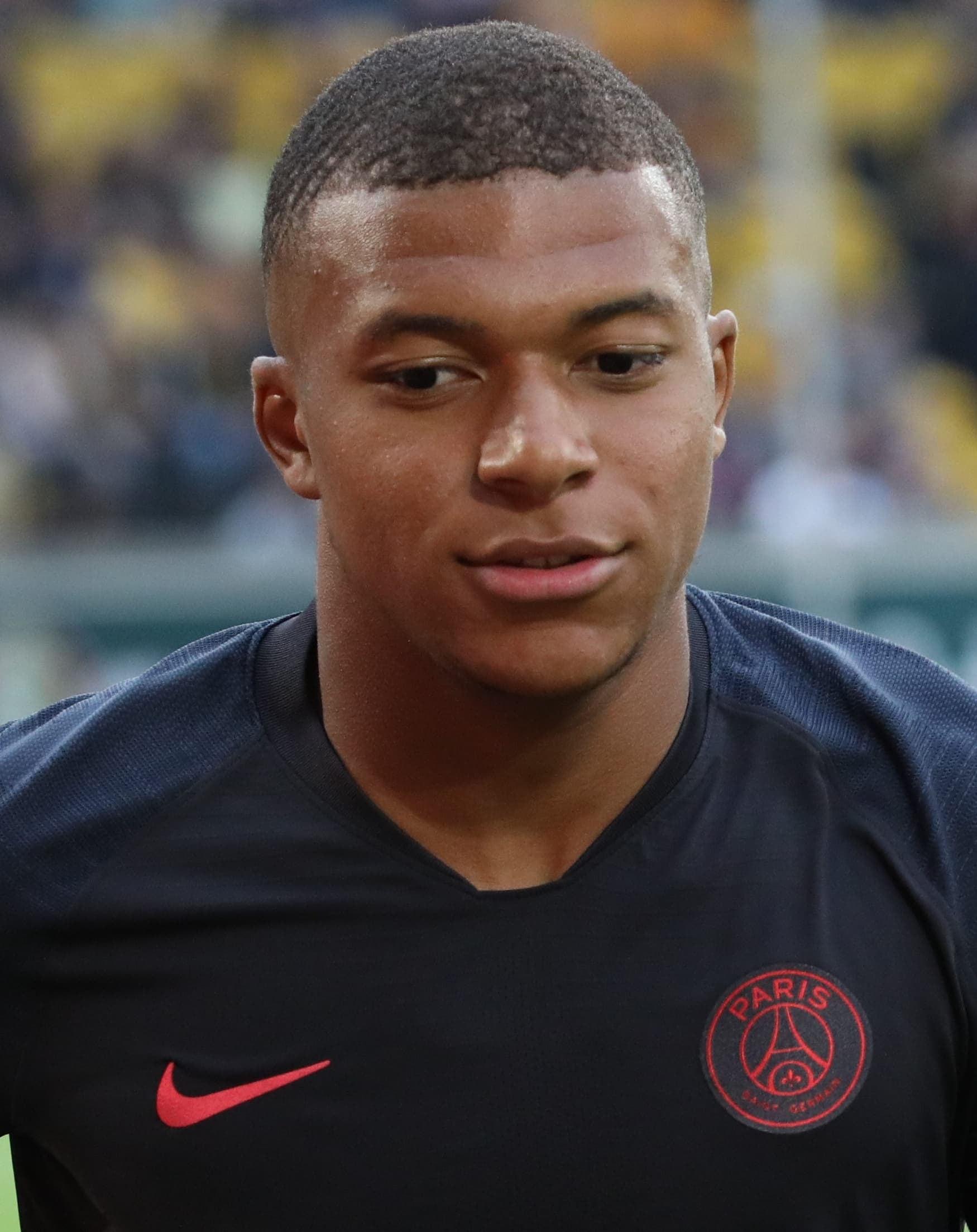
During a Ligue 1 match for Paris Saint-Germain in 2019, forward Kylian Mbappé was clocked at a top speed of 38.00 km/h during a counter-attack. This sprint represents the fastest speed ever recorded in a major European league match, placing him close to Usain Bolt's average speed of 44.72 km/h during his 100-meter world record run. For comparison, Tottenham defender Micky van de Ven registered 37.38 km/h in January 2024 — the fastest ever measured in the Premier League since Opta began recording official sprint data in 2020/21. Mbappé's acceleration combines explosive first-step power with sustained top-end velocity, making him one of the most physically devastating attacking weapons in modern football. His speed is not just a physical attribute but a tactical weapon — forcing defenders to play deeper, compressing the space behind them, and creating opportunities for teammates to exploit.
In 2012, Lionel Messi shattered Gerd Müller's long-standing record of 85 goals in a calendar year. Playing for Barcelona and Argentina, Messi scored 91 goals in 69 appearances — a feat that required sustaining a goal-scoring rate of over 7 goals per month against modern defensive setups for 12 consecutive months.
Cristiano Ronaldo dominated Europe's premier club competition like no other player. His 140 goals came across spells with Manchester United, Real Madrid, and Juventus. He is the only player to score in three separate Champions League finals and holds the record for most goals in a single knockout campaign (17 in 2013/14).
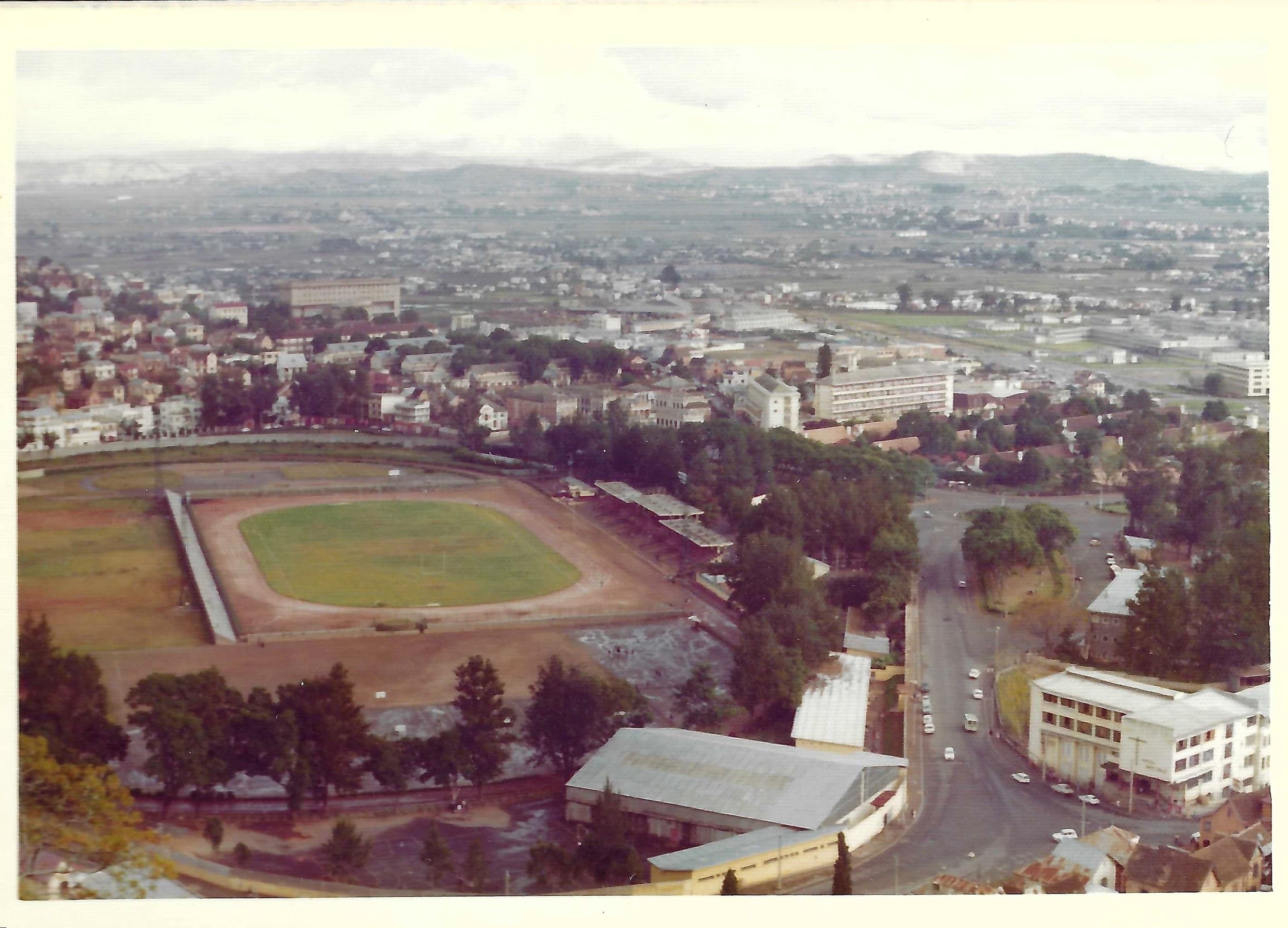
In a Madagascan playoff match, SO l'Emyrne deliberately scored 149 own goals in protest against a refereeing decision in a previous match. The game ended 149–0, making it the highest scoreline in the history of professional football. Every goal was an intentional own goal, creating a mathematical anomaly of roughly one goal every 36 seconds.
English goalkeeper Peter Shilton made 1,387 top-level professional appearances (and 1,504 overall games including regional matches) between 1965 and 1997. Shilton's career spanned 32 years, featuring long tenures at Leicester City (348 appearances), Nottingham Forest, Derby County, and the England national team. This longevity was sustained through consistent physical conditioning and tactical intelligence, allowing him to adapt to the physical shifts of English football over four separate decades. While Brazilian goalkeeper Fábio holds the overall professional record with 1,432 official matches, Shilton's 1,387 top-level games remain the benchmark for European football — achieved without the benefit of Brazilian football's extended regional championship schedule.