The permanent collection — plus this season's live anomalies at the end.
3 records found
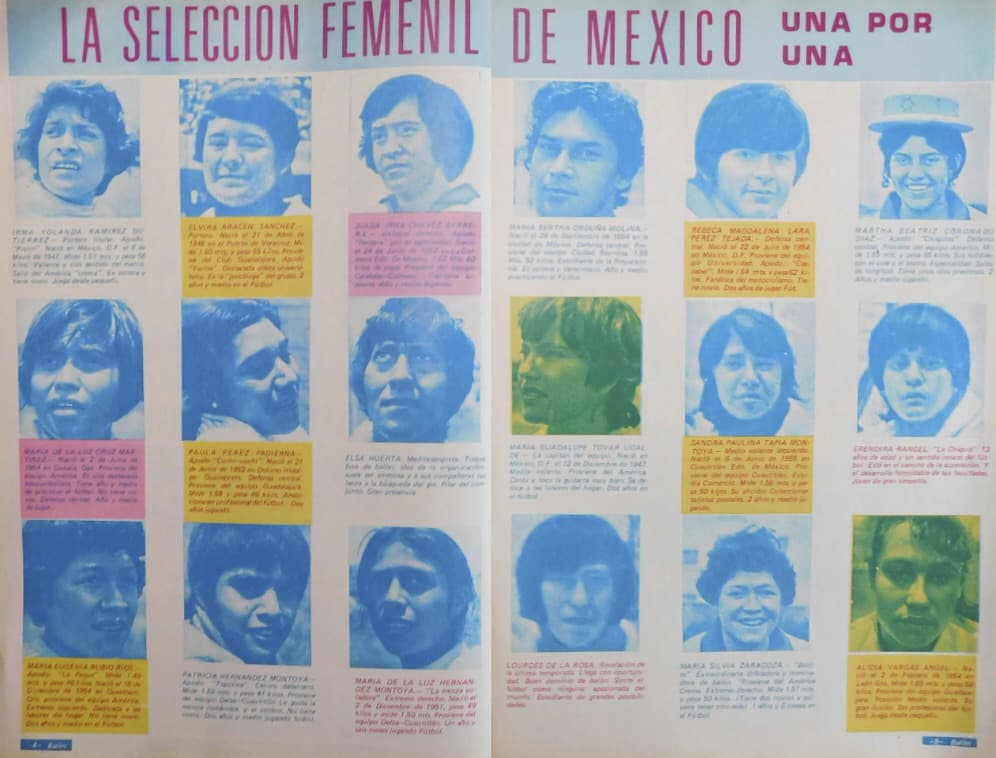
The 1971 II Campeonato Mundial de Fútbol Femenil, known today as Copa 71, was held in Mexico from August 15 to September 5, 1971. Six nations competed. Martini & Rossi financed travel, accommodation, and kits. Venues included the Estadio Azteca in Mexico City and Estadio Jalisco in Guadalajara. Group 1 (Mexico City): Mexico 4pts +6GD, Argentina 2pts +1GD, England 0pts -7GD. Group 2 (Guadalajara): Denmark 3pts +3GD, Italy 3pts +1GD, France 0pts -4GD. Key results: August 15 — Mexico 3-1 Argentina (90,000-100,000 at Azteca); August 28 — Semi-final: Denmark 5-0 Argentina (50,000); August 29 — Semi-final: Mexico 2-1 Italy (90,000); September 5 — Final: Denmark 3-0 Mexico at the Estadio Azteca, attendance 110,000-112,500. Scorers: Susanne Augustesen 26', 52', 62'. This remains the largest crowd ever to watch a women's football match.
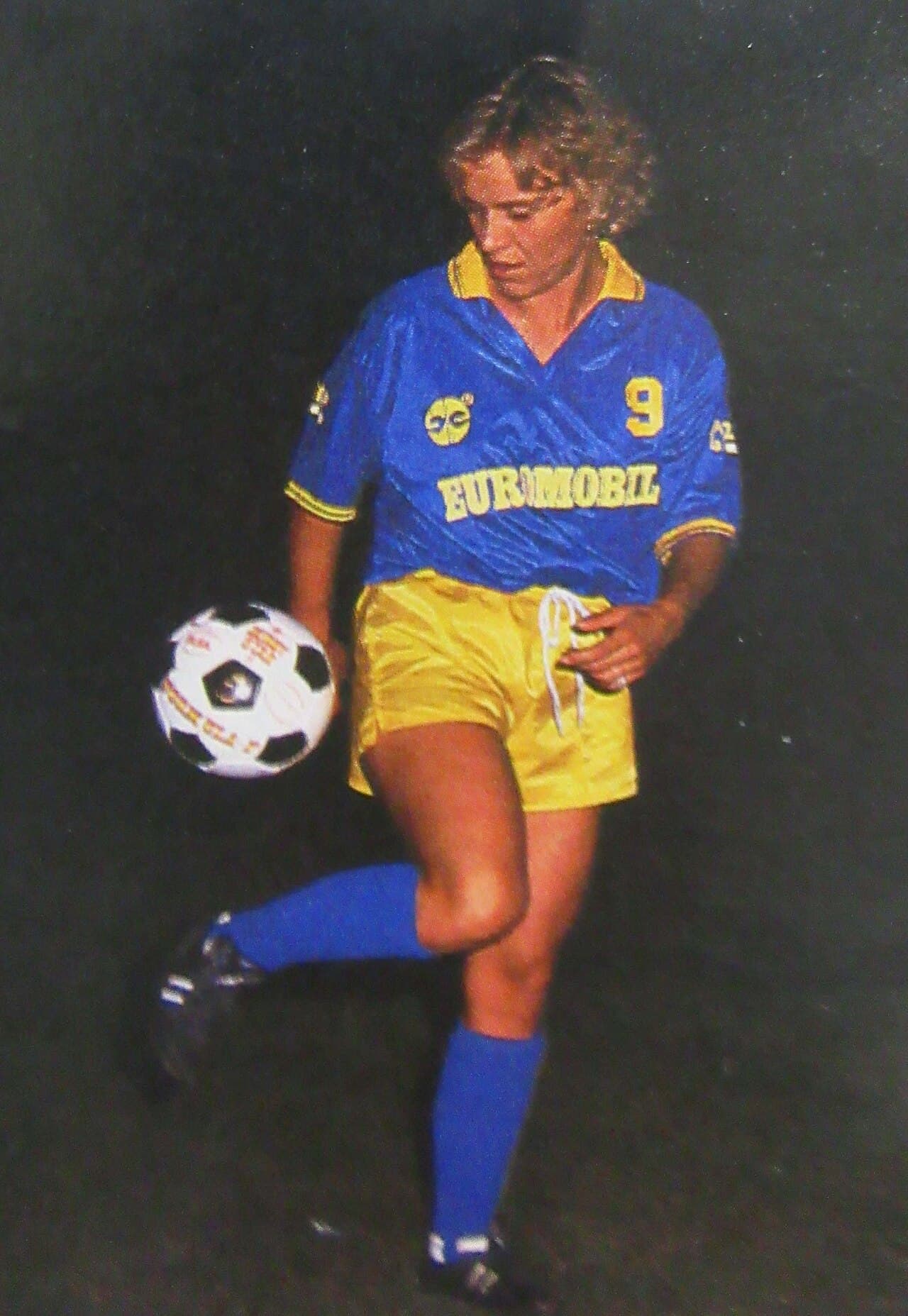
Susanne Augustesen was a 15-year-old schoolgirl from Holbæk, Denmark, when she travelled to Mexico for the 1971 Copa 71 tournament. She grew up on her family's apple farm and required written parental permission to travel. In the final on September 5, 1971, she scored a perfect left-footed hat-trick in front of 110,000 fans at the Estadio Azteza as Denmark beat Mexico 3-0. Upon return, the mayor of Holbæk held a public reception in her honour. Two Italian club presidents offered her a professional contract after an exhibition match. She moved to Italy in 1974, signing with Bologna. Her career totals: 600+ goals, 6 Serie A Scudettos, 3 Coppa Italia titles, 8 Capocannoniere (top scorer) awards. Despite this, the Danish Football Union (DBU) never called her up for the official national team established in 1972. The DBU refused to recognise FIEFF tournaments. This snub was not corrected until 2017 when she was inducted into the Danish Football Hall of Fame.
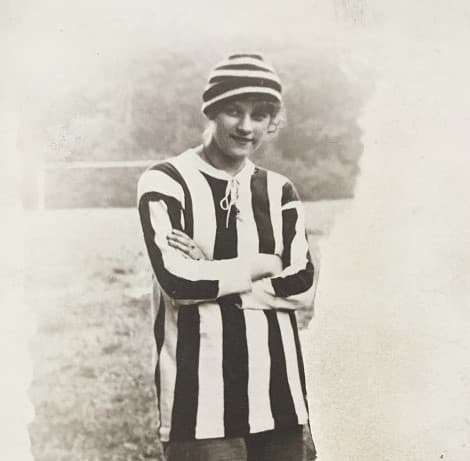
FIFA under president Stanley Rous viewed FIEFF's Copa 71 success as a direct threat to its monopoly. Rous issued a threat: any Mexican club, referee, or regional association providing facilities would be permanently banned from official football. Organisers bypassed this by negotiating leases with television conglomerates that owned the Azteca and Jalisco stadiums. FIFA's strategy backfired — instead of small venues, matches were played in the Azteca and Jalisco stadiums. Medical gaslighting was used to justify bans: prominent doctors published peer-reviewed articles claiming football caused irreversible damage to women's ovaries and breasts. The English FA banned women from FA-affiliated grounds from 1921-1970, declaring the game 'quite unsuitable for females'. In Italy and Brazil, playing football was legally criminalised for women for several decades. The Danish FA chair declared the DBU 'cannot and will not take women's football seriously'. The 2023 documentary Copa 71, directed by Rachel Ramsay and James Erskine and executive produced by Serena and Venus Williams, recovered pristine 16mm and 35mm reels from uncatalogued boxes in Mexican TV network archives. Key players in the story: Carol Wilson (England captain, RAF physical education instructor), Silvia Zaragoza (Mexico forward, played street football in secret, beaten by her father if caught), Elena Schiavo (Italy midfielder, widely considered best player in the world in 1971), Elba Selva (Argentina, scored four goals against England), Gill Sayell (England, disguised herself as a boy named Billy to play in local leagues), Nicole Mangas (France, played for Stade de Reims women's section).