The permanent collection — plus this season's live anomalies at the end.
2 records found
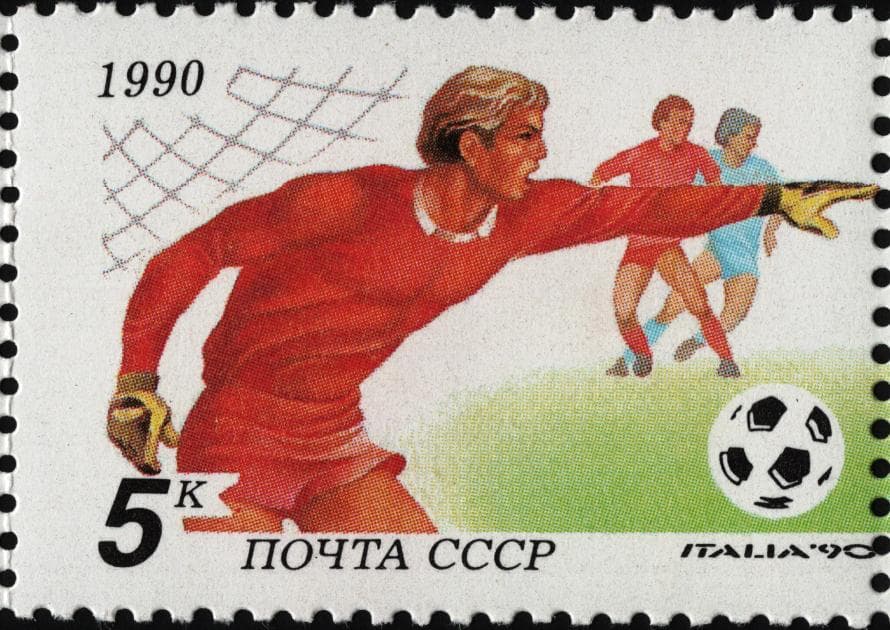
The modern 'sweeper-keeper' was born from a regulation change introduced to rescue football from defensive time-wasting. The 1990 FIFA World Cup in Italy represented a defensive low point for the sport, yielding an all-time tournament low of 2.21 goals per match. Teams routinely protected narrow leads by booting the ball back to their goalkeepers, who could legally handle the ball and run down the clock. During a group stage match between Ireland and Egypt, Irish goalkeeper Packie Bonner held the ball in his hands for approximately six minutes of active play. To address this, FIFA technical director Daniel Jeandupeux proposed a formal ban on goalkeepers handling deliberate back-passes kicked from the feet of teammates, which was officially adopted by IFAB on May 30, 1992. The rule debuted at the 1992 Barcelona Olympics, immediately causing defensive chaos. In the opening match, Italian goalkeeper Francesco Antonioli was penalized for handling a back-pass, resulting in an indirect free-kick from which Joe-Max Moore scored for the United States. This single regulation systematically transformed goalkeeping, forcing players to master footwork and distribution, directly giving rise to modern playmaking goalkeepers.
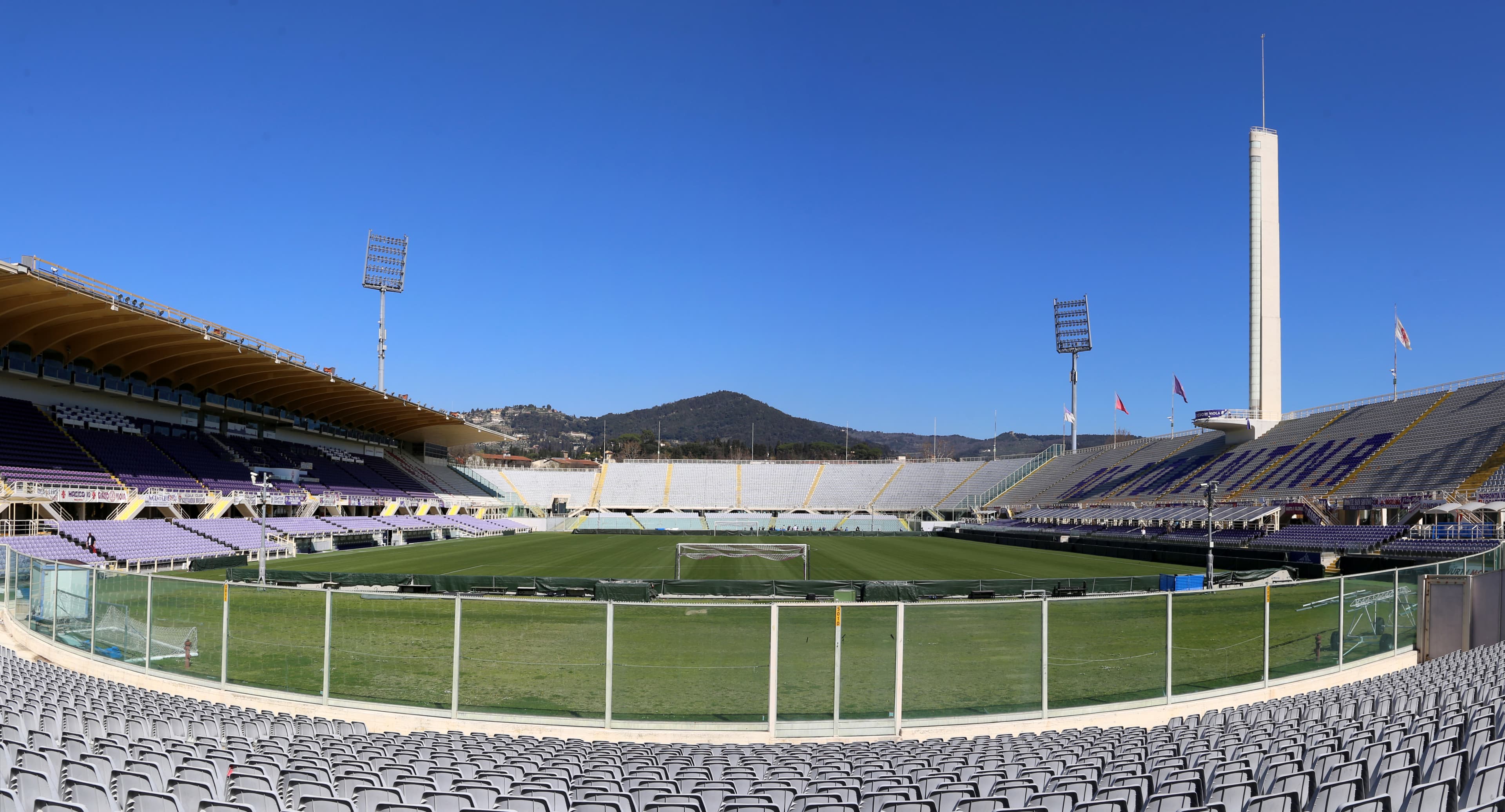
Prior to the 1992/93 Serie A season, Italian club Fiorentina and manufacturer Lotto released an away kit featuring an abstract, purple geometric pattern across the shoulders. The design was well-received until observers noticed that the overlapping geometric lines formed a series of swastikas. For a club seeking to distance itself from historic fascist associations, the discovery was a major public relations crisis. Fiorentina had already worn the kit in away fixtures against four Serie A rivals before the club and Lotto pulled it from production, replacing it with a plain white design. Despite the controversy, the shirt has become a highly sought-after item among football kit collectors — a rare example of a design so offensive it had to be banned after release, yet so distinctive it became a cult artifact.