Football Tactics
The 1992 Back-Pass Rule — The Regulation That Created the Modern Goalkeeper
1992
Published 2026-05-31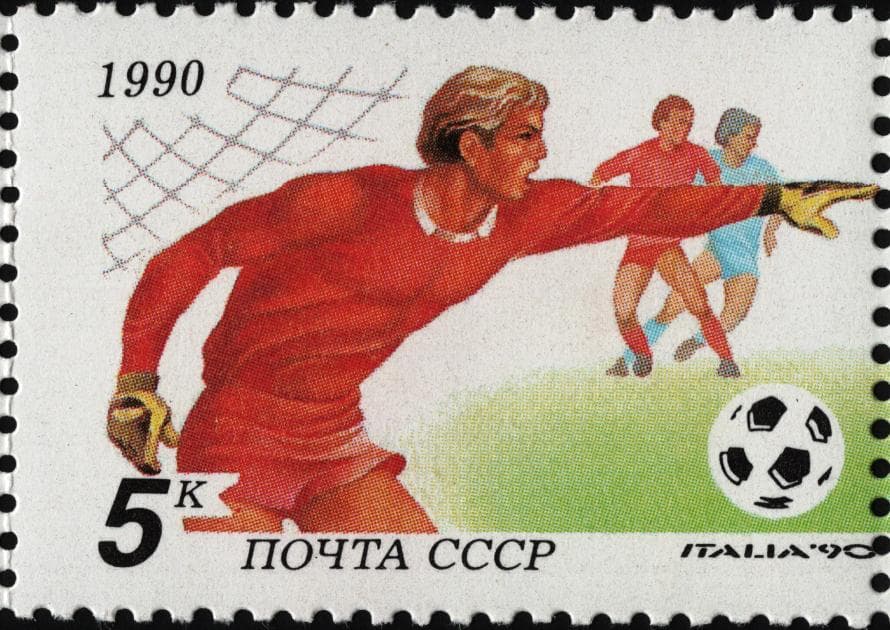
Exhibit Narrative
IFAB banned deliberate back-passes to goalkeepers on May 30, 1992 — immediately transforming goalkeeping from hand-based containment to foot-based playmaking.
The modern 'sweeper-keeper' was born from a regulation change introduced to rescue football from defensive time-wasting. The 1990 FIFA World Cup in Italy represented a defensive low point for the sport, yielding an all-time tournament low of 2.21 goals per match. Teams routinely protected narrow leads by booting the ball back to their goalkeepers, who could legally handle the ball and run down the clock. During a group stage match between Ireland and Egypt, Irish goalkeeper Packie Bonner held the ball in his hands for approximately six minutes of active play. To address this, FIFA technical director Daniel Jeandupeux proposed a formal ban on goalkeepers handling deliberate back-passes kicked from the feet of teammates, which was officially adopted by IFAB on May 30, 1992. The rule debuted at the 1992 Barcelona Olympics, immediately causing defensive chaos. In the opening match, Italian goalkeeper Francesco Antonioli was penalized for handling a back-pass, resulting in an indirect free-kick from which Joe-Max Moore scored for the United States. This single regulation systematically transformed goalkeeping, forcing players to master footwork and distribution, directly giving rise to modern playmaking goalkeepers.
Related Records
Football Tactics
Gegenpressing — The High Press Weapon of Ralf Rangnick and Jürgen Klopp
Gegenpressing requires players to press the opponent within the first 5 to 8 seconds of losing possession — turning defense into an offensive weapon.
Football TacticsThe 1925 Offside Reform and the Genesis of the WM Formation
A single-word IFAB amendment in 1925 caused first-division goals to surge by 43% in one season — from 1,192 to 1,703.
Football TacticsCatenaccio — From Karl Rappan's Verrou to Helenio Herrera's Inter Milan
Herrera's Catenaccio at Inter assigned four rigid man-markers and one free libero — dominating Europe through clinical, low-scoring efficiency.