The permanent collection — plus this season's live anomalies at the end.
2 records found
In 1973, German club Eintracht Braunschweig sought to secure a sponsorship deal with liquor company Jägermeister. However, the German Football Association (DFB) strictly banned commercial advertising on player kits, permitting only the club's official crest to be displayed. To bypass this restriction, Braunschweig's board voted to officially replace the club's traditional lion crest with the Jägermeister stag logo. Unable to prevent the club from displaying its own crest, the DFB was forced to permit the design. Seven months later, recognizing the commercial opportunities of the practice, the DFB officially legalized kit sponsorships, establishing a key milestone in football commercialization. The clever legal workaround turned a single club's ambition into an industry-wide revolution.
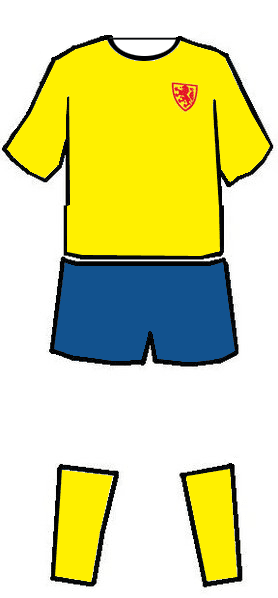
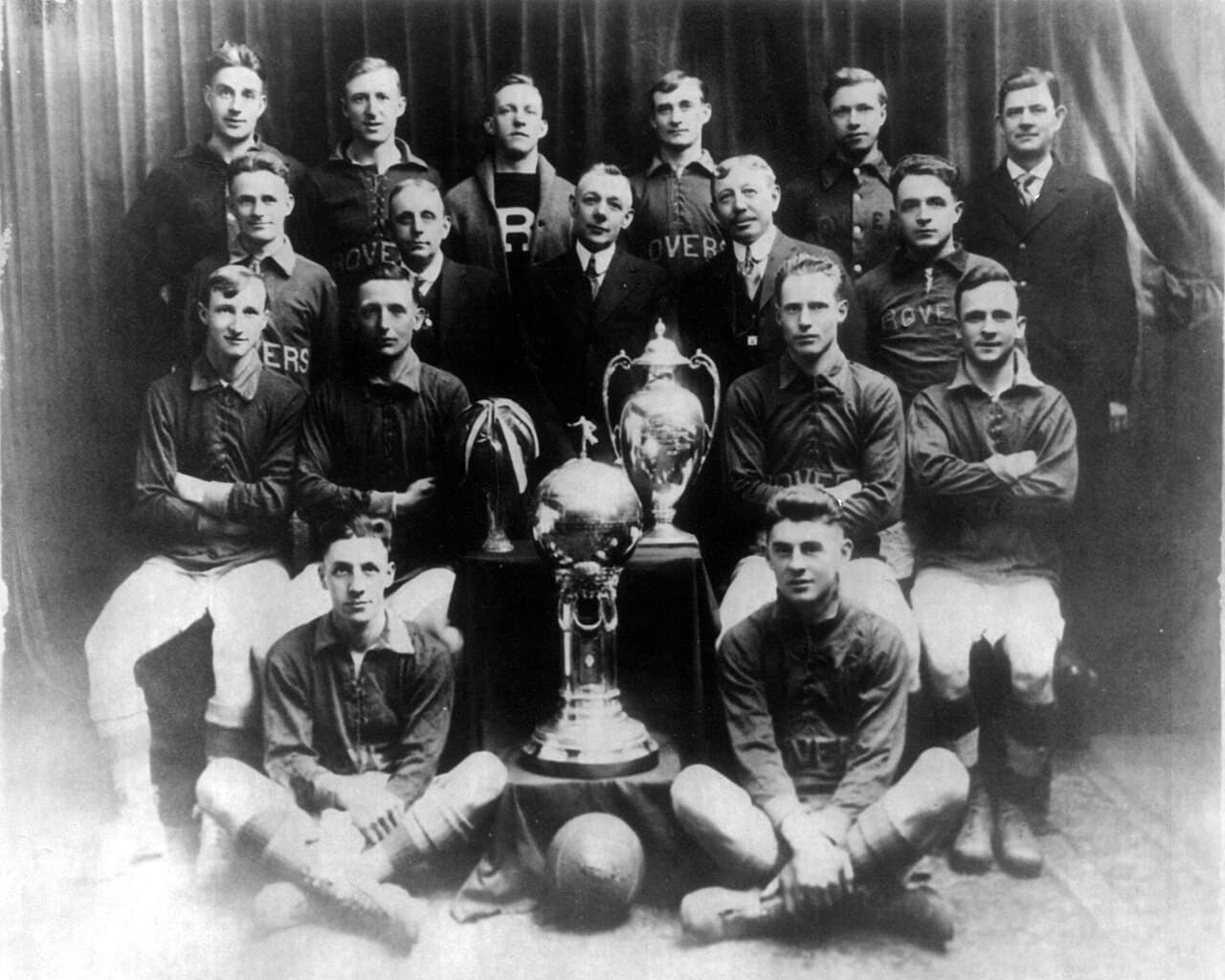
While kit sponsorship is generally viewed as an innovation of the 1970s, the practice was pioneered nearly a century earlier in the United States. On February 23, 1887, the Newark Evening News published a match report describing the Fall River Rovers of Massachusetts appearing in yellow shirts with 'Hargreave Manufacturing Company Rovers' printed across the front. The Hargreave Manufacturing Company was an independent local soap manufacturer, making this the first recorded instance of an independent commercial brand purchasing advertising space on a football kit. This early experiment did not immediately spark a trend, but it established the United States as the birthplace of commercial kit sponsorships — nearly 90 years before Eintracht Braunschweig's famous Jägermeister deal forced the German FA to legalize the practice.