The permanent collection — plus this season's live anomalies at the end.
4 records found
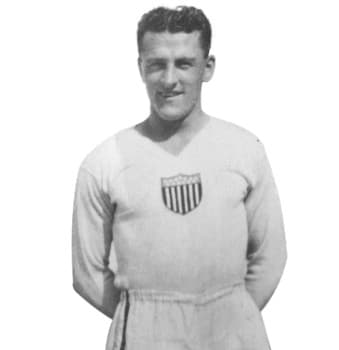
On July 17, 1930, 20-year-old American forward Bert Patenaude scored all three goals in the United States' 3-0 victory over Paraguay at the Estadio Gran Parque Central in Montevideo. It took FIFA 76 years to officially recognise him as scorer of the first hat-trick in World Cup history. The dispute centred on the second goal in the 15th minute — FIFA originally credited it to U.S. captain Tom Florie, while other databases listed it as an own goal. The correction was driven by Canadian soccer historian Colin Jose, who gathered the Cummings Ledger (official post-tournament report explicitly crediting Patenaude), South American press records from O Estado de São Paulo, tactical diagrams from Argentine daily La Prensa, and teammate testimonies. On November 10, 2006, FIFA officially amended its records, permanently recognising Patenaude.
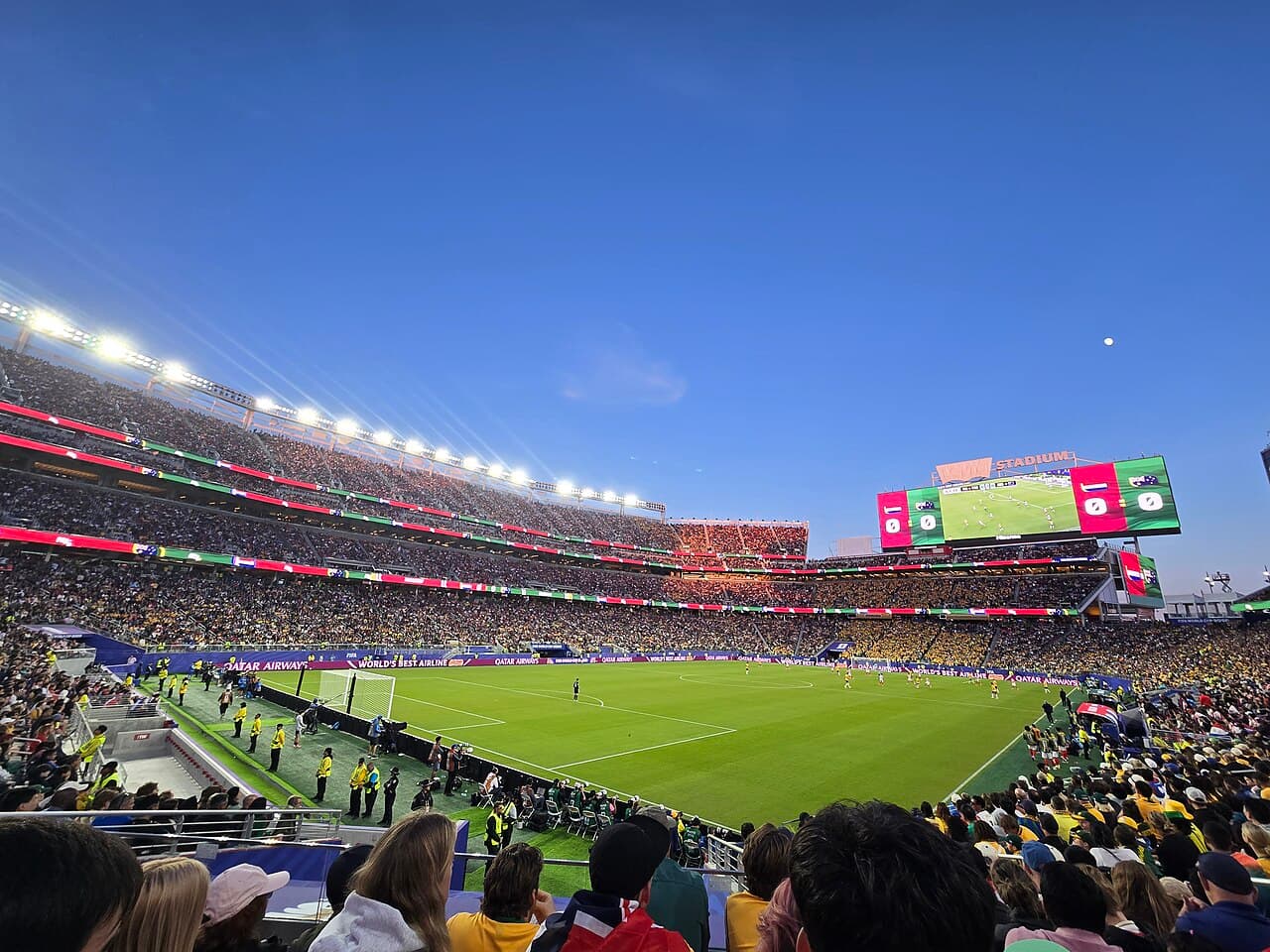
The 2026 FIFA World Cup will be co-hosted by the United States, Mexico, and Canada. Historical data reveals a powerful host nation advantage that varies by the host's competitive tier. Tier 1 hosts (top 3 ranked) win 80% of the time. Tier 2 hosts (ranked 4-10) reach semis 100% of the time. Tier 3 hosts (ranked 11-20) — USA ranked 15, Mexico ranked 16 — have a 100% quarter-final rate historically. Tier 4 hosts (ranked over 20) — Canada ranked 29 — have a modal outcome of Round of 16. Co-hosting does not dilute advantage: 2002 saw both South Korea and Japan massively overperform their strength tiers. Records under threat in 2026: Miroslav Klose's all-time scoring record of 16 goals — Lionel Messi has 13 in 26 matches (needs 4), Kylian Mbappé has 12 in 14 at 0.86 goals per match (needs 5). Most wins — Klose holds 17 wins in 24 appearances; Messi is tied with Cafu at 16 wins in 26. The attendance record of 3,587,538 from 1994 USA will be shattered with 104 matches in NFL stadiums, with projections exceeding 6.5 million.
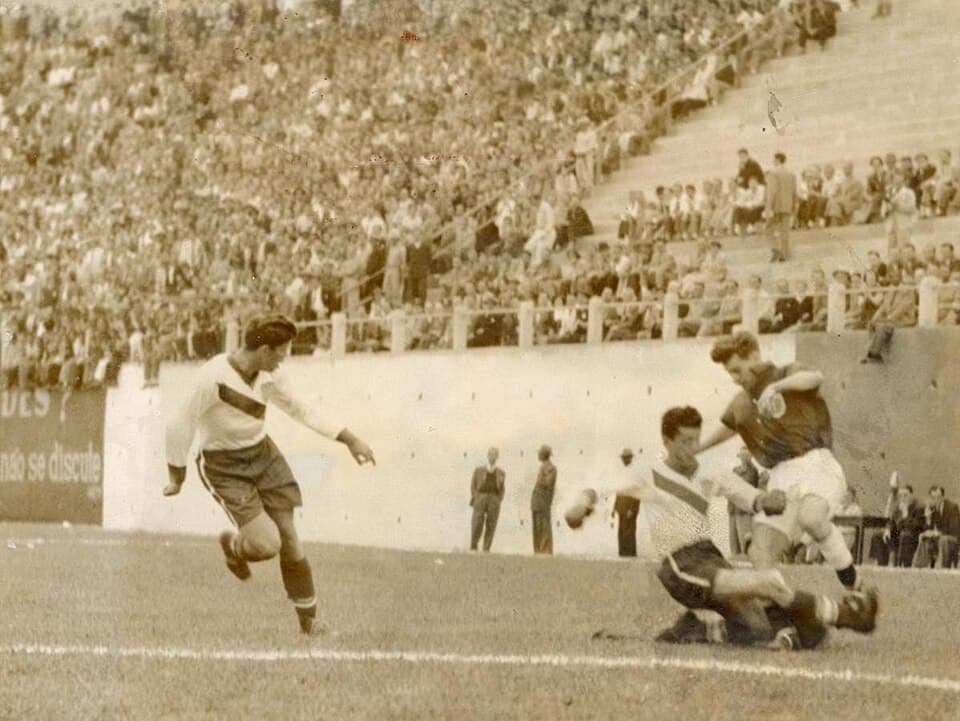
The 1950 World Cup in Brazil produced one of the greatest upsets in football history. A team of part-time American amateurs including a dishwasher, a mailman, and a schoolteacher defeated England 1-0 at the Estádio Independência in Belo Horizonte. Haitian-born student Joe Gaetjens scored the winner with a diving header. British editors assumed the result was a typographical error, correcting early print editions to read England 10, USA 1. This remains the most famous result in USMNT history and symbolises the potential for underdog triumph on football's biggest stage.
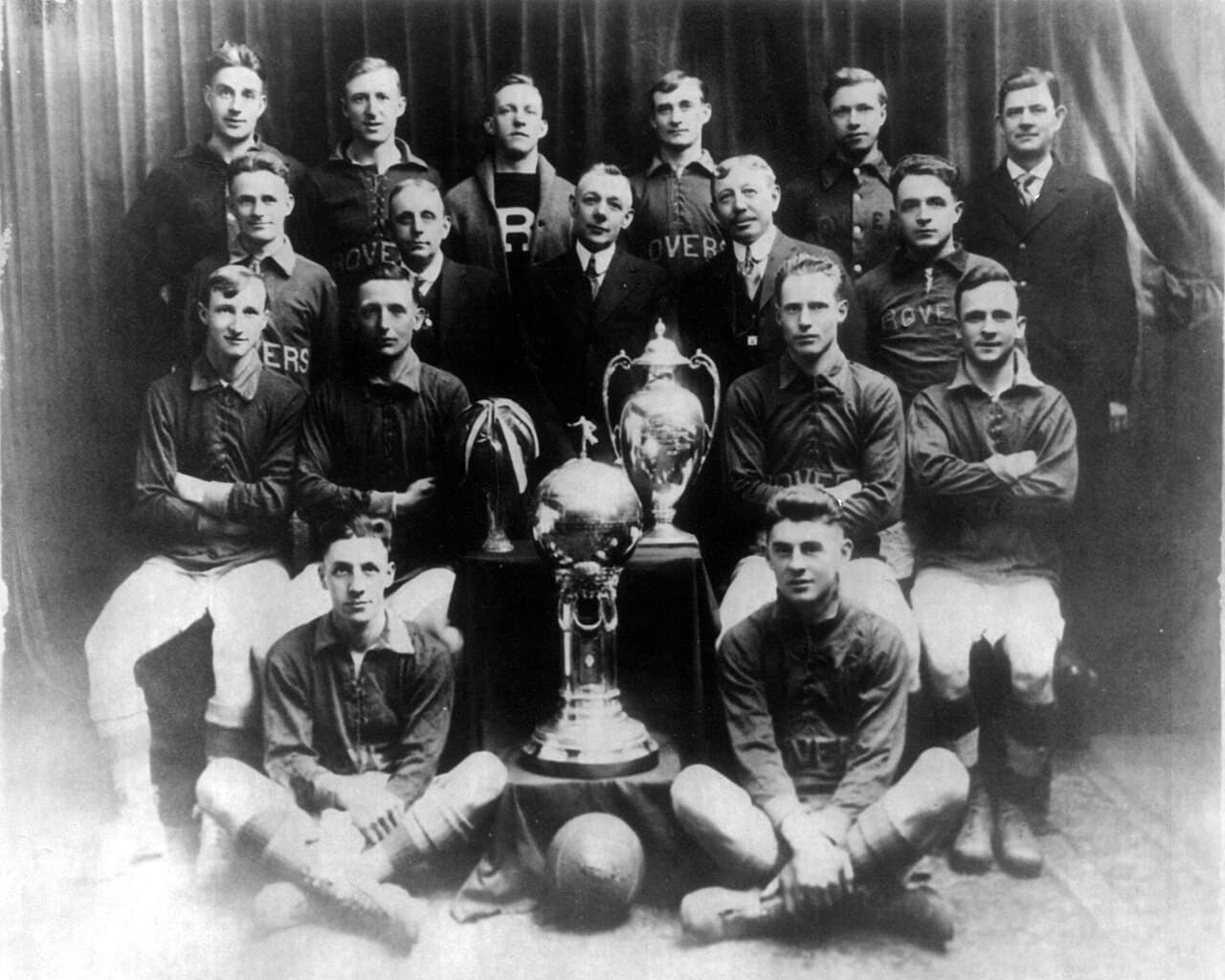
While kit sponsorship is generally viewed as an innovation of the 1970s, the practice was pioneered nearly a century earlier in the United States. On February 23, 1887, the Newark Evening News published a match report describing the Fall River Rovers of Massachusetts appearing in yellow shirts with 'Hargreave Manufacturing Company Rovers' printed across the front. The Hargreave Manufacturing Company was an independent local soap manufacturer, making this the first recorded instance of an independent commercial brand purchasing advertising space on a football kit. This early experiment did not immediately spark a trend, but it established the United States as the birthplace of commercial kit sponsorships — nearly 90 years before Eintracht Braunschweig's famous Jägermeister deal forced the German FA to legalize the practice.