The permanent collection — plus this season's live anomalies at the end.
11 records found
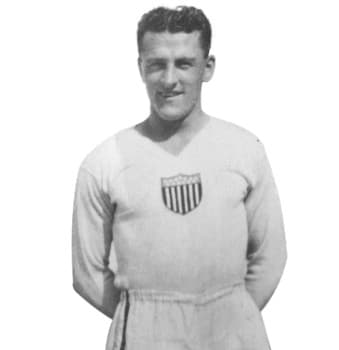
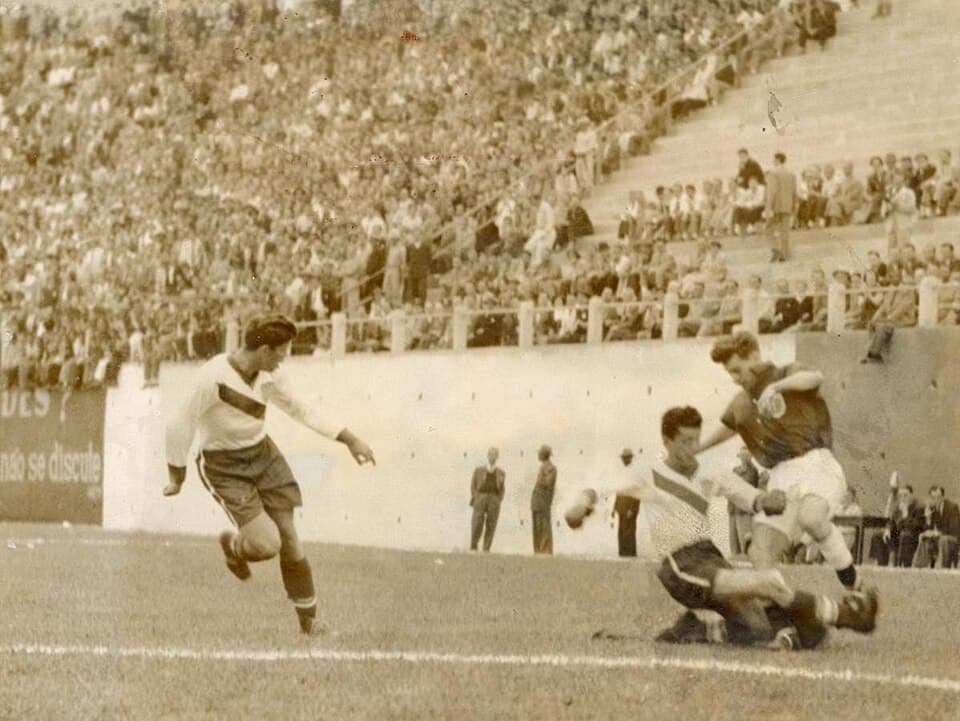
On July 17, 1930, 20-year-old American forward Bert Patenaude scored all three goals in the United States' 3-0 victory over Paraguay at the Estadio Gran Parque Central in Montevideo. It took FIFA 76 years to officially recognise him as scorer of the first hat-trick in World Cup history. The dispute centred on the second goal in the 15th minute — FIFA originally credited it to U.S. captain Tom Florie, while other databases listed it as an own goal. The correction was driven by Canadian soccer historian Colin Jose, who gathered the Cummings Ledger (official post-tournament report explicitly crediting Patenaude), South American press records from O Estado de São Paulo, tactical diagrams from Argentine daily La Prensa, and teammate testimonies. On November 10, 2006, FIFA officially amended its records, permanently recognising Patenaude.
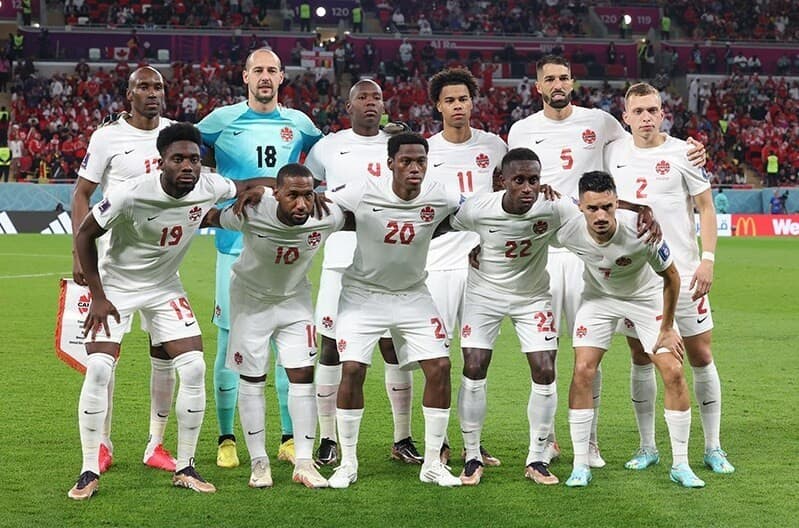
Canada's World Cup history is a story of long waits and frozen triumphs. In 1986 — their first qualification, under English coach Tony Waiters — the squad consisted of semi-professional journeymen. They held France scoreless for 79 minutes before Jean-Pierre Papin scored, then lost 2-0 to both Hungary and the Soviet Union. Zero points, zero goals. It would be 36 years until Canada returned. In 2022, they qualified first in CONCACAF under coach John Herdman. The Iceteca match: November 16, 2021, Edmonton, -9°C, Canada beat Mexico 2-1 with Sam Adekugbe leaping into a snowbank to celebrate. In Qatar, Canada lost to Belgium 1-0, Croatia 4-1, and Morocco 2-1. But the milestone moment came against Croatia: Alphonso Davies scored Canada's first ever World Cup goal with a flying header in the second minute.
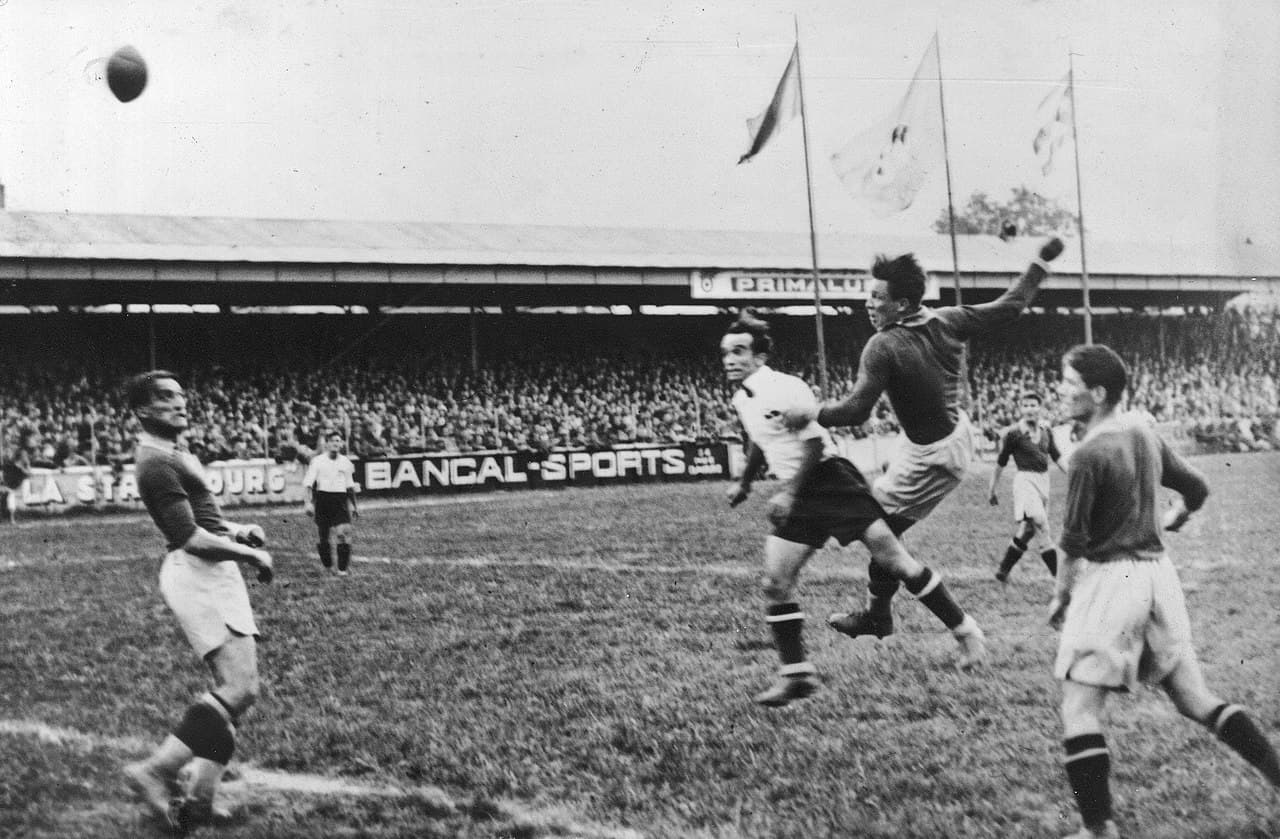
Cuba's appearance at the 1938 World Cup in France remains the high-water mark for Caribbean football. The team qualified automatically without playing a single match after all other American nations withdrew in protest over FIFA's decision to award the 1938 tournament to France, violating an informal hosting rotation agreement. Coached by José Tapia, the Cuban delegation consisted of 15 players — young, amateur descendants of Spanish immigrants who played in local Havana leagues. The 15-day sea voyage was marked by mishaps: striker Juan Tuñas, suffering seasickness, opened his cabin porthole unaware his room was below the waterline, immediately flooding his cabin. Cuba faced Romania in the opening round at the Stade Chapou in Toulouse, drawing 3-3 after extra time on June 5, 1938, with goals from Héctor Socorro, José Antonio Magriñá, and Tomás Fernández. For the replay, starting goalkeeper Benito Carvajales voluntarily surrendered his spot to backup Juan Ayra — Carvajales had received a lucrative offer from a Cuban radio station to commentate on the replay for listeners back home. Ayra performed brilliantly and Cuba won 2-1, becoming the first Caribbean nation to win a World Cup match. Exhausted from 210 minutes of football with only 15 players, Cuba faced a rested Sweden in the quarter-finals and lost 8-0 in a torrential downpour in Antibes. Cuba has never qualified for another World Cup. Juan Tuñas, the last surviving squad member, passed away in 2011.
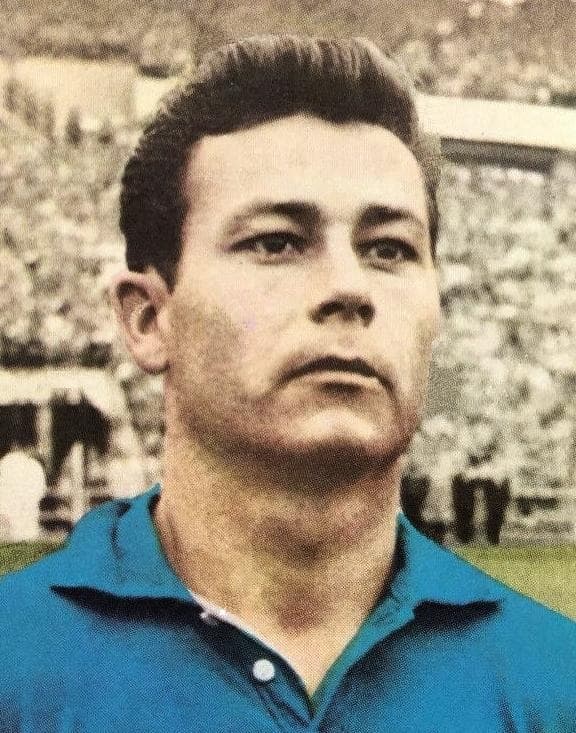
Just Fontaine's 13 goals at the 1958 World Cup in Sweden stands as one of football's most unbreakable records. The French striker achieved this in just 6 matches, averaging over 2 goals per game — a feat virtually impossible today due to modern defensive organisation, sports science, and tactical sophistication. No player has come close since. For context, Miroslav Klose holds the all-time World Cup scoring record with 16 goals, but spread across 24 matches across four tournaments (2002-2014). Fontaine's density of scoring in a single tournament remains unparalleled and is widely considered impossible to replicate in contemporary football.
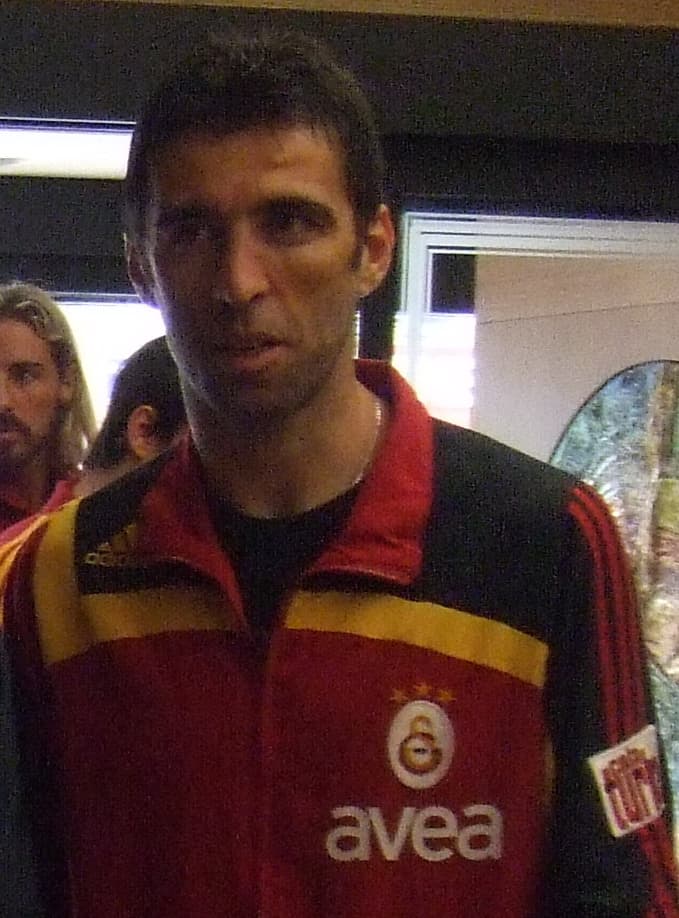
Hakan Şükür scored the fastest goal in World Cup history just 10.8 seconds after kickoff in Turkey's 3-2 victory over South Korea in the 2002 third-place playoff. The record is considered virtually unbreakable because modern teams use highly rehearsed conservative kickoff routines specifically designed to prevent early goals. Managers spend hours drilling defensive organisation from the very first second of play, making an instant breakaway extremely unlikely at the elite international level.
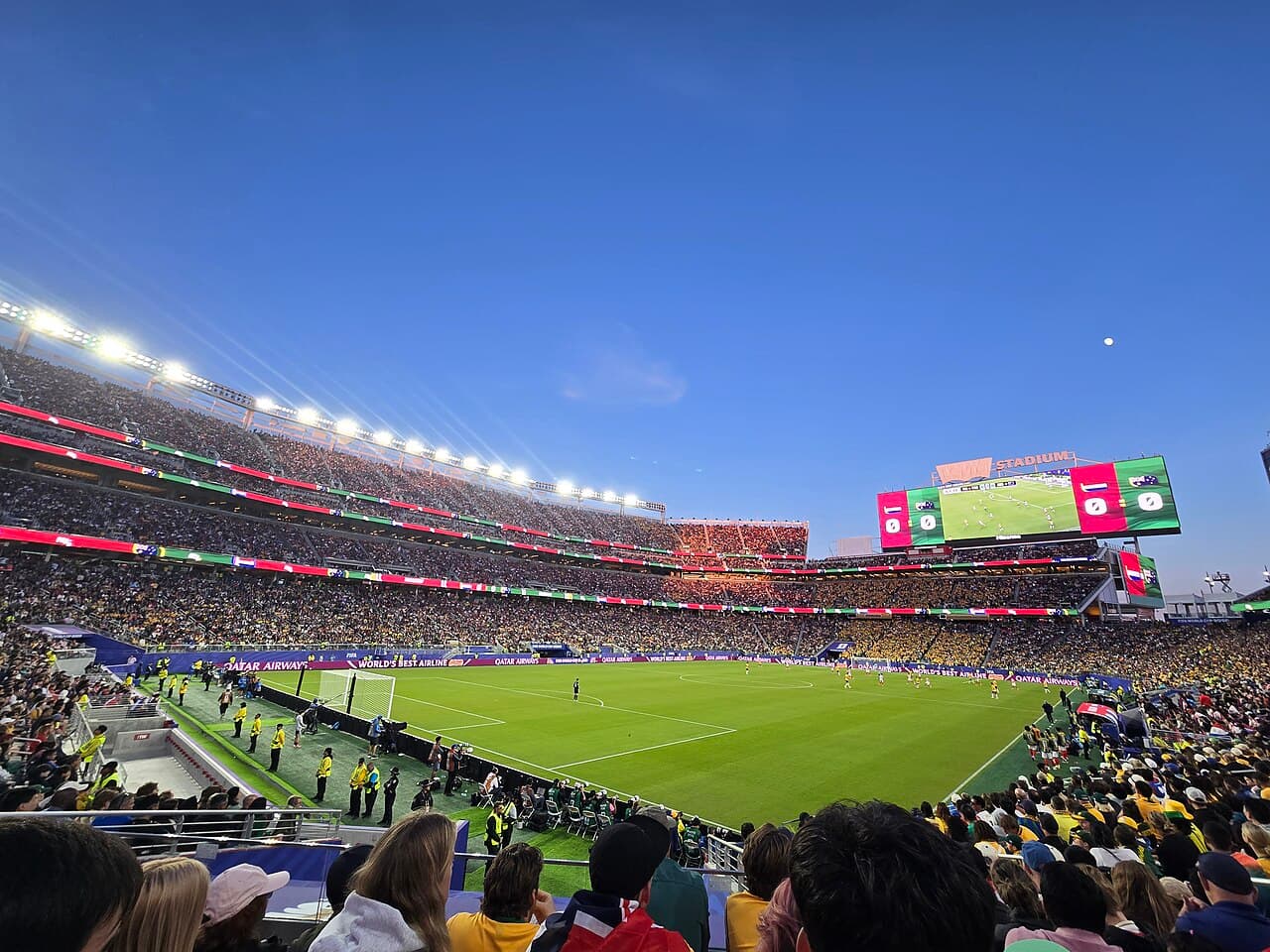
The 2026 FIFA World Cup will be co-hosted by the United States, Mexico, and Canada. Historical data reveals a powerful host nation advantage that varies by the host's competitive tier. Tier 1 hosts (top 3 ranked) win 80% of the time. Tier 2 hosts (ranked 4-10) reach semis 100% of the time. Tier 3 hosts (ranked 11-20) — USA ranked 15, Mexico ranked 16 — have a 100% quarter-final rate historically. Tier 4 hosts (ranked over 20) — Canada ranked 29 — have a modal outcome of Round of 16. Co-hosting does not dilute advantage: 2002 saw both South Korea and Japan massively overperform their strength tiers. Records under threat in 2026: Miroslav Klose's all-time scoring record of 16 goals — Lionel Messi has 13 in 26 matches (needs 4), Kylian Mbappé has 12 in 14 at 0.86 goals per match (needs 5). Most wins — Klose holds 17 wins in 24 appearances; Messi is tied with Cafu at 16 wins in 26. The attendance record of 3,587,538 from 1994 USA will be shattered with 104 matches in NFL stadiums, with projections exceeding 6.5 million.
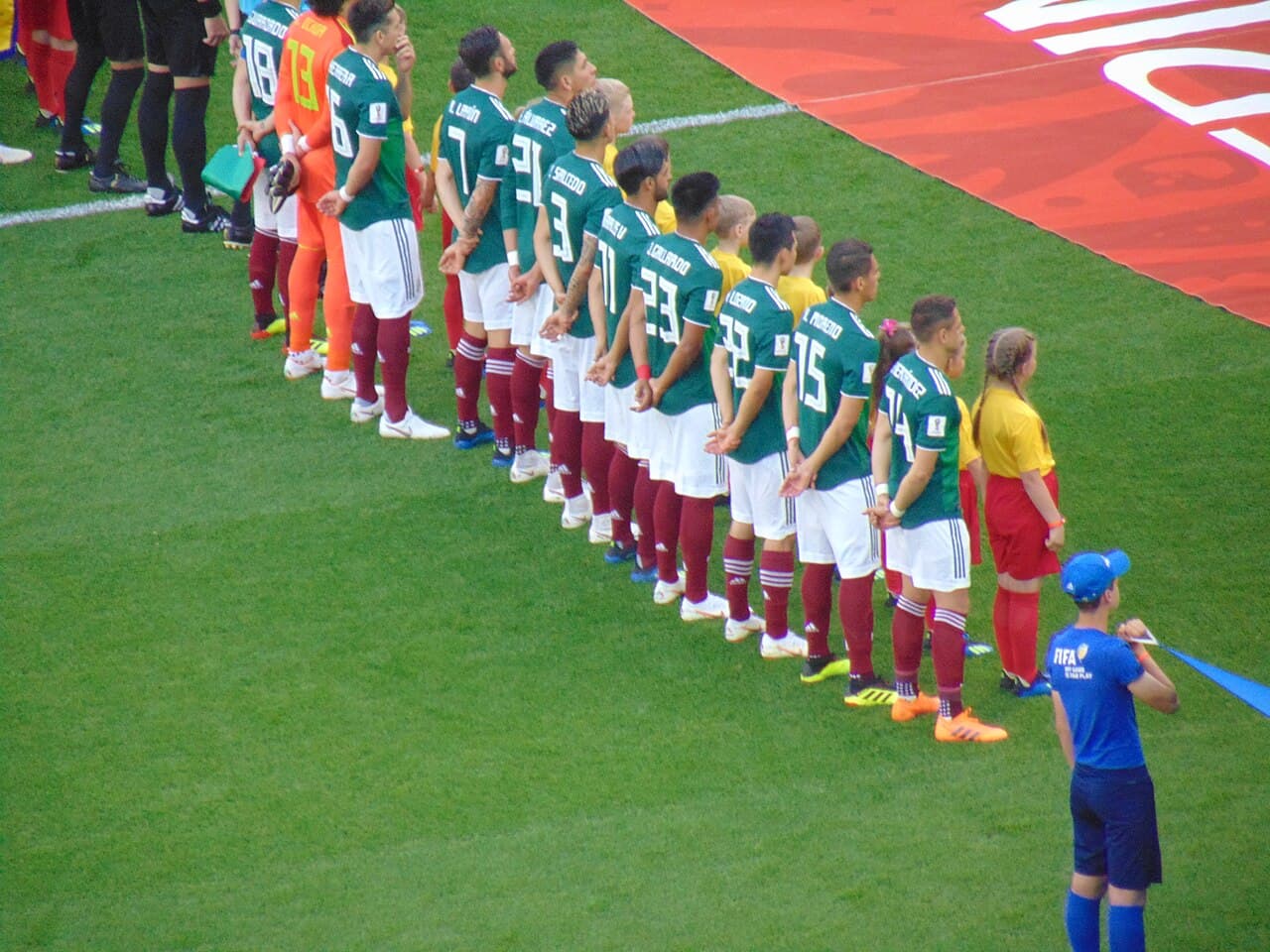
Mexico has appeared in 16 World Cup tournaments but has only reached the quarter-finals twice — in 1970 and 1986 — both times as host. Between 1994 and 2018, Mexico advanced from the group stage in seven consecutive tournaments, only to be eliminated in the Round of 16 every single time. Results: 1994 vs Bulgaria 1-1 (lost 1-3 pens), 1998 vs Germany 1-2, 2002 vs United States 0-2, 2006 vs Argentina 1-2 AET, 2010 vs Argentina 1-3, 2014 vs Netherlands 1-2, 2018 vs Brazil 0-2. Root causes: the Liga MX financial bubble discourages domestic talent from moving to elite European leagues; tactical naivety against structured defensive systems. Mexico was also banned from the 1990 World Cup due to the Cachirules scandal — fielding overage players in the 1988 CONCACAF U-20 Championship.
The association of the Number Ten shirt with elite playmaking is largely due to an administrative oversight by the Brazilian Football Confederation (CBF) ahead of the 1958 World Cup in Sweden. The CBF failed to submit a list of designated player numbers to the tournament organizers. Consequently, Lorenzo Villizzio, a Uruguayan FIFA official, assigned numbers 1 through 22 to the squad completely at random. This arbitrary allocation resulted in goalkeeper Gilmar receiving the Number Three shirt, while Pelé, an unproven 17-year-old substitute, was assigned the Number Ten. Pelé's brilliant performances during the tournament — scoring a hat-trick in the semi-final and two goals in the final — turned this random designation into the most prestigious number in the sport. What began as an administrative accident became the symbol of creative genius in football.
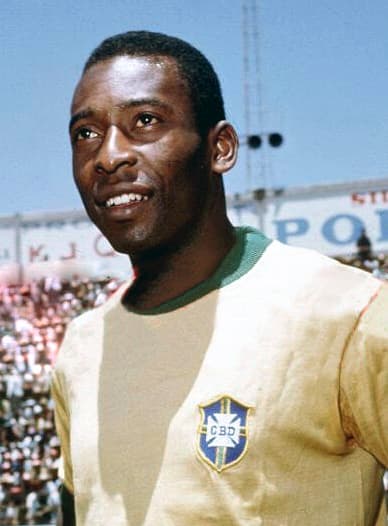
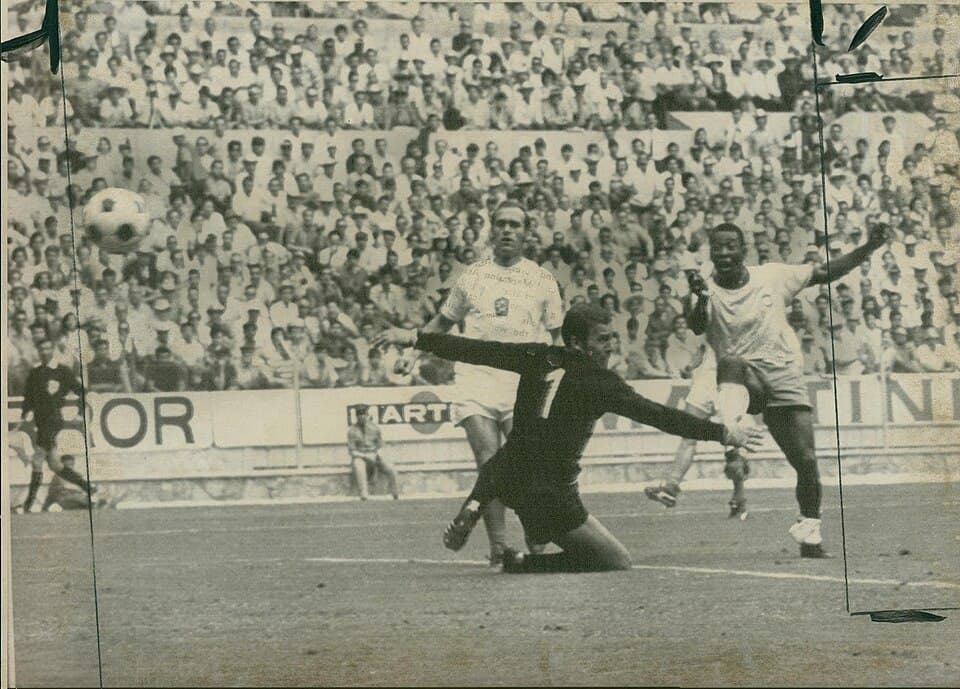
Edson Arantes do Nascimento, known worldwide as Pelé, is the only footballer to win three FIFA World Cups. He burst onto the scene as a 17-year-old at Sweden 1958, scoring a brace in the final. He added a second medal in 1962 and captained Brazil to their third triumph in Mexico 1970, cementing his status as the most decorated player in World Cup history.
The 1950 World Cup in Brazil produced one of the greatest upsets in football history. A team of part-time American amateurs including a dishwasher, a mailman, and a schoolteacher defeated England 1-0 at the Estádio Independência in Belo Horizonte. Haitian-born student Joe Gaetjens scored the winner with a diving header. British editors assumed the result was a typographical error, correcting early print editions to read England 10, USA 1. This remains the most famous result in USMNT history and symbolises the potential for underdog triumph on football's biggest stage.
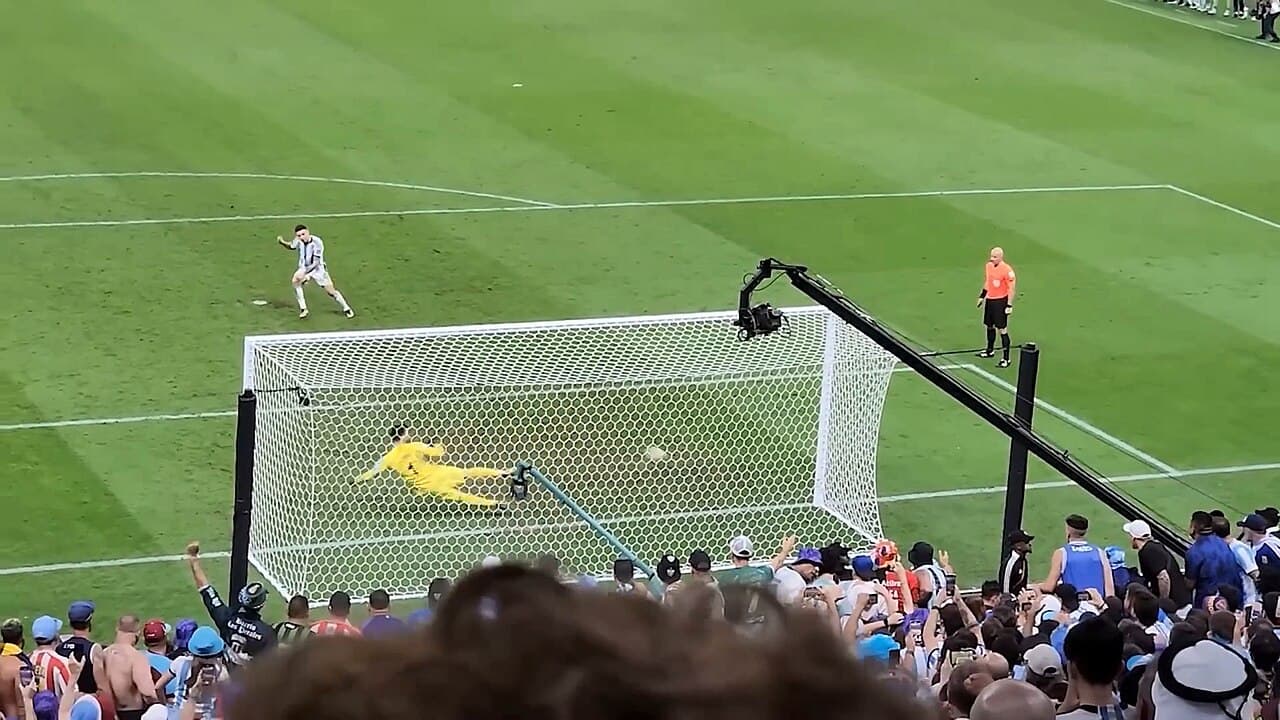
The penalty shootout has decided 34 World Cup matches since its introduction in 1982. Notable shootouts include: 1982 Semi-final West Germany 5-4 France (3-3 AET) — the first ever World Cup shootout; 1994 Final Brazil 3-2 Italy (0-0 AET) — Roberto Baggio's famous miss; 2006 Final Italy 5-3 France (1-1 AET) — David Trezeguet hit the crossbar; 2022 Final Argentina 4-2 France (3-3 AET) — the greatest final in history decided from the spot. Geir Jordet's research reveals dramatic psychological patterns: players convert 92% of penalties when scoring wins the match but only 60% when missing means elimination. Players who rush their shot under 200 milliseconds after the whistle convert only 57%. Players who pause at least one second convert over 80%. Goalkeeper distraction manoeuvres reduce taker success by 10-15%. If a goalkeeper forces a delay of over 8 seconds the success rate falls to 44%. The complete list: 1982 SF West Germany 5-4 France; 1986 QF France 4-3 Brazil, West Germany 4-1 Mexico, Belgium 5-4 Spain; 1990 R16 Rep of Ireland 5-4 Romania, QF Argentina 3-2 Yugoslavia, SF Argentina 4-3 Italy, SF West Germany 4-3 England; 1994 R16 Bulgaria 3-1 Mexico, QF Sweden 5-4 Romania, Final Brazil 3-2 Italy; 1998 R16 Argentina 4-3 England, QF France 4-3 Italy, SF Brazil 4-2 Netherlands; 2002 R16 Spain 3-2 Ireland, QF South Korea 5-3 Spain; 2006 R16 Ukraine 3-0 Switzerland, QF Germany 4-2 Argentina, QF Portugal 3-1 England, Final Italy 5-3 France; 2010 R16 Paraguay 5-3 Japan, QF Uruguay 4-2 Ghana; 2014 R16 Brazil 3-2 Chile, Costa Rica 5-3 Greece, QF Netherlands 4-3 Costa Rica, SF Argentina 4-2 Netherlands; 2018 R16 Croatia 3-2 Denmark, Russia 4-3 Spain, QF Croatia 4-3 Russia, England 4-3 Colombia; 2022 R16 Croatia 3-1 Japan, Morocco 3-0 Spain, QF Argentina 4-3 Netherlands, Croatia 4-2 Brazil, Final Argentina 4-2 France.